

IFS for Neurodivergent Adults: A Compassionate Approach to Burnout, Anxiety, and Sensory Sensitivity
Many neurodivergent people spend years trying to adapt to environments that were not designed for their nervous systems. Whether someone lives with ADHD, autism, complex PTSD, or other neurodivergent experiences, daily life can involve navigating sensory overload, social expectations, emotional intensity, and chronic exhaustion.
Internal Family Systems therapy offers a compassionate framework that can help neurodivergent individuals understand their internal world without judgment. Rather than trying to suppress emotions or “fix” behaviours, this approach helps people understand the different parts of themselves and how those parts developed to protect them.
IFS for neurodivergent adults can be particularly helpful because it respects sensitivity, emotional depth, and unique ways of experiencing the world. Instead of pushing neurodivergent individuals to conform to external expectations, IFS therapy encourages curiosity about the nervous system and the parts of us that carry stress, anxiety, and exhaustion.
In this article, we will explore how IFS for neurodivergent adults can support recovery from burnout, help manage anxiety, and encourage sensory self-care.
What Does It Mean to Be a Neurodivergent Adult?
Before exploring therapy approaches, it is important to understand what neurodivergence means.
Neurodivergence refers to natural variations in the way the brain processes information, emotions, and sensory experiences. This can include conditions such as ADHD, autism, dyslexia, sensory processing differences, and complex trauma patterns.
For many people, discovering they are neurodivergent can be both validating and confusing. It often explains years of feeling different, misunderstood, or overwhelmed by environments that others seem to tolerate easily.
Neurodivergent adults frequently experience:
- heightened sensory awareness
- deep emotional sensitivity
- strong empathy and intuition
- difficulties with overstimulation
- challenges with conventional work environments
- cycles of burnout and recovery
Many individuals also develop protective coping strategies that help them navigate social expectations or avoid sensory overload.
IFS for neurodivergent adults recognizes that these coping strategies are not flaws but protective parts of the personality that developed to help the nervous system survive difficult experiences.
Instead of criticizing these parts, Internal Family Systems therapy invites curiosity about how they formed and what they need.
Understanding Internal Family Systems Therapy
Internal Family Systems therapy is based on the idea that the mind contains different “parts,” each with its own perspective, emotions, and protective role.
Some parts may push us to work harder or avoid vulnerability, while others may carry feelings of shame, sadness, or overwhelm. These parts are often shaped by past experiences, relationships, and environmental pressures.
IFS therapy helps people access the Self, a calm and compassionate state of awareness that can listen to these parts and support healing.
For many people, IFS for neurodivergent adults is helpful because it allows internal experiences to be explored gently and respectfully.
Rather than forcing behavioural change, the therapy process often involves:
- noticing different parts
- understanding their protective roles
- building trust within the internal system
- helping overwhelmed parts release old burdens
Over time, this approach can reduce internal conflict and create greater emotional balance.
Anxiety and the Neurodivergent Nervous System
Anxiety is one of the most common experiences among neurodivergent adults. Constant sensory input, social expectations, and the pressure to mask differences can create chronic stress.
Many neurodivergent individuals develop protective parts that try to prevent mistakes, rejection, or overwhelm. These parts might show up as:
- overthinking
- perfectionism
- avoidance
- people-pleasing
- intense self-criticism
In IFS for neurodivergent adults, anxiety is often understood as a protective system that is trying to prevent emotional harm.
When these anxious parts are met with curiosity instead of criticism, they often begin to relax. They no longer need to work as hard when the nervous system feels safe and supported.
This compassionate approach can reduce the constant cycle of anxiety and self-judgment that many neurodivergent adults experience.
Sensory Self-Care for Neurodivergent Adults

Sensory sensitivity is a common experience for neurodivergent individuals. Bright lights, loud environments, crowded spaces, and unpredictable social interactions can quickly overwhelm the nervous system.
IFS therapy encourages awareness of these sensory experiences and supports the development of personalized self-care routines.
IFS for neurodivergent adults often includes exploring how different parts of the personality respond to sensory input.
Some parts may try to push through overstimulation, while others may want to withdraw or escape. By listening to these parts, individuals can develop healthier ways to care for their nervous system.
Sensory self-care might include:
- dimming lights or adjusting screen brightness
- wearing noise-reducing headphones
- creating quiet spaces for rest
- engaging in grounding activities
- using weighted blankets or calming textures
- regulating temperature through cold water or warm baths
When sensory needs are respected, the nervous system becomes more stable and less reactive.
This is why IFS for neurodivergent adults often emphasizes gentle awareness of the body and environment.
Working With Sensitivities Instead of Fighting Them
Another crucial element of burnout therapy is learning to embrace your sensitivities rather than attempting to suppress or “fix” them. Neurodivergent individuals often have heightened sensory awareness, emotional depth, and empathic capacities that, when unsupported, can amplify stress and anxiety.
Recovery involves noticing when your environment, relationships, or tasks feel overstimulating, and giving yourself permission to adjust accordingly. This could mean dimming lights, taking breaks from crowded spaces, engaging in grounding activities, or using temperature awareness such as splashing cold water on your face or warming sore muscles.
By honoring your sensitivities instead of fighting them, you allow your nervous system to regulate more effectively, reducing chronic stress and anxiety.
IFS for neurodivergent adults supports this process by helping individuals identify the parts that push them to ignore their needs. These parts often developed in environments where sensitivity was misunderstood or criticized.
As these parts feel heard and respected, they may gradually relax, allowing more balanced patterns to emerge.
Burnout therapy encourages the development of practical routines and habits that embrace natural sensitivities. Over time, this leads to greater resilience, more consistent energy, and an increased ability to engage in meaningful work and relationships without feeling overwhelmed.
Empathy without boundaries

Many neurodivergent adults who begin exploring their identity later in life reflect on past relationship patterns with a new sense of understanding. For a long time, autism and other neurodivergent traits were often misunderstood as involving a lack of empathy. However, more recent perspectives suggest that many neurodivergent individuals actually experience very deep empathy and emotional sensitivity.
For some people, this depth of empathy can make relationships both meaningful and challenging. When someone has a strong capacity to understand and feel the emotions of others, it can become easier for manipulative or emotionally unhealthy individuals to take advantage of that compassion.
Some neurodivergent adults notice that once they feel empathy for someone’s struggles or pain, it becomes difficult to step back, even when the relationship is harmful. In these situations, empathy can unintentionally override healthy boundaries.
IFS therapy often explores how these patterns develop. Sometimes an inner child part carries memories of not receiving enough empathy or emotional support while growing up, particularly in families where emotional needs were not fully recognised or validated. When this happens, parts of the personality may become highly attuned to the emotional experiences of others.
They may also be easily manipulated through guilt, if they experienced emotional abuse as a child and carry an inner child guilt wound in their subconscious mind. In IFS for neurodivergent adults, a therapist can help work with this IFS guilt part and rewrite those experiences, so you’re not frozen in the past and you can set boundaries in relationships.
In IFS for neurodivergent adults, therapy gently explores these dynamics with curiosity rather than blame. A compassionate and empathic part may feel responsible for helping others, even at the expense of personal wellbeing. At the same time, other protective parts may struggle to set boundaries or recognise when empathy is being exploited.
Through this process, people can begin to understand the difference between healthy empathy and overextending themselves emotionally. Developing stronger boundaries does not mean losing compassion; rather, it allows empathy to exist alongside self-protection.
For many neurodivergent adults, recognising these relationship patterns can be an important step in healing. By understanding the parts of themselves that seek connection, care, and understanding, it becomes possible to build relationships that are more balanced, respectful, and emotionally safe.
Burnout Recovery for Neurodivergent Adults
Burnout is extremely common among neurodivergent adults, particularly those who have spent years masking their natural traits.
Masking refers to the effort required to hide or suppress neurodivergent behaviours in order to fit social expectations. While this can help people navigate certain environments, it often comes at a significant cost to mental health.
IFS for neurodivergent adults can support burnout recovery by helping individuals understand the parts that push them to overwork, perform, or ignore their limits.
These parts often believe they must constantly prove worth or avoid rejection.
Through compassionate exploration, therapy can help these parts recognize that rest and self-care are not failures but essential forms of nervous system regulation.
Recovery: Rediscovering Joy, Safety, and Identity
Recovery from burnout is a process that requires patience and sustained effort. One of the first steps is reconnecting with activities, hobbies, and interests that bring joy, creativity, and a sense of self.
This is not about checking off obligations, but about creating experiences that restore energy and foster a sense of safety.
Building identity and community through hobbies or shared interests is particularly powerful. Whether it’s dancing, playing music, dog walking, joining an expat group, or volunteering, these activities create a sense of purpose and belonging.
For individuals navigating trauma or ADHD, social isolation can be a significant factor in burnout.
Engaging consistently in interest-based communities over several months can help rebuild connection and support the nervous system in learning that safety and reliability are possible.
In many ways, IFS for neurodivergent adults encourages rediscovering identity beyond the roles and expectations that led to burnout.
Practical Daily Approaches
IFS therapy for neurodivergent adults also emphasizes practical daily strategies. This includes noticing and naming your parts, practicing somatic exercises, setting boundaries, scheduling rest, and intentionally choosing environments that reduce overstimulation.
Grounding exercises, mindful movement, and breathing practices are tools that can be integrated into daily life. Over time, these approaches help individuals gradually shift from survival mode to a place of balance and calm.
Through IFS for neurodivergent adults, people often learn to recognize when anxious or overworking parts become activated.
Instead of reacting automatically, they can respond with curiosity and compassion.
This shift allows the nervous system to develop greater stability and resilience.
My Experience as a Neurodivergent-Affirming Therapist
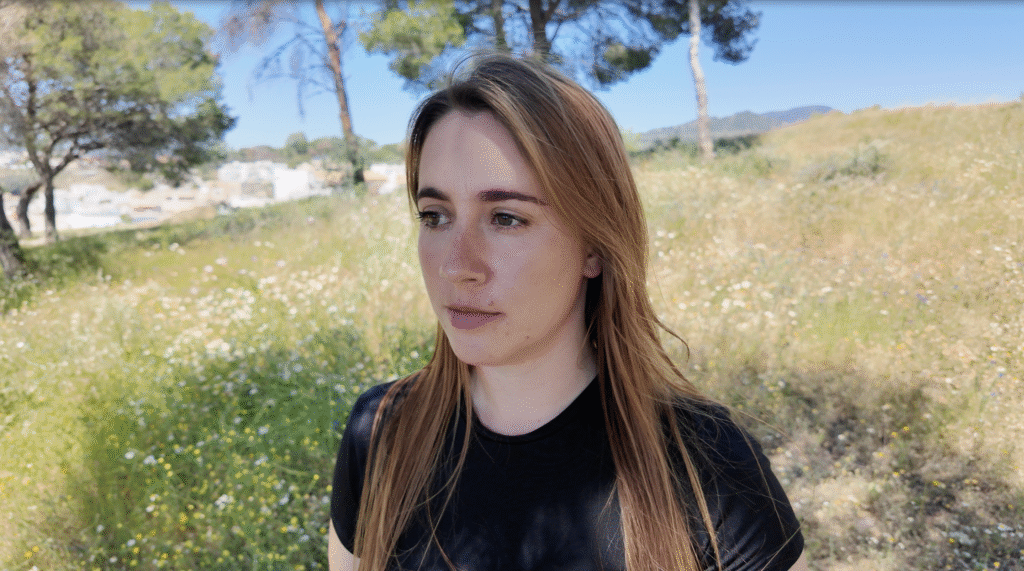
At the age of 34, over the past 5 years, I have worked with many clients experiencing chronic burnout, particularly those navigating ADHD, autism, and complex trauma.
Through guided meditation, intuitive questioning, co-regulation, and compassionate support, I help clients slow down, reconnect with their nervous system, and explore the internal patterns contributing to exhaustion.
IFS for neurodivergent adults provides a gentle and validating framework for understanding these experiences.
By recognizing that many behaviours are protective responses rather than personal failures, individuals can begin to develop self-compassion and curiosity about their internal world.
As someone who works with neurodivergent clients, my goal is to create a space where people feel safe to explore their experiences without judgment.
Therapy becomes an opportunity to reconnect with authenticity, rebuild energy, and develop a more compassionate relationship with oneself.
Seeking a Compassionate Neurodivergent-Affirming Therapist
For many people, learning about neurodivergence can be both validating and emotional. It can explain years of burnout, sensory overwhelm, or feeling misunderstood in environments that were not designed for your nervous system. At the same time, this discovery can bring up important questions about identity, boundaries, and healing.
Working with a neurodivergent-affirming therapist can provide a safe and supportive space to explore these experiences. A compassionate therapist understands that neurodivergence is not something that needs to be “fixed.” Instead, therapy focuses on understanding your nervous system, honoring your sensitivities, and helping you build a life that supports your wellbeing.
When using IFS for neurodivergent adults, therapy often involves gently exploring the different parts of your internal system. Some parts may feel anxious, overwhelmed, or exhausted from years of masking or adapting to stressful environments. Other parts may be protective, trying to prevent rejection, criticism, or sensory overload.
Through a compassionate and collaborative process, these parts can be listened to and understood rather than judged. Over time, this helps create more internal balance, allowing you to respond to stress with greater calm and self-awareness.
I offer IFS for neurodivergent adults for individuals who would like support in exploring burnout, anxiety, sensory sensitivity, or the long-term impact of complex trauma. Sessions may include guided meditation, reflective dialogue, and experiential exercises designed to help you connect with your internal system in a gentle and supportive way.
For many neurodivergent individuals, therapy can become a place where they finally feel understood and accepted. Rather than trying to push through exhaustion or overwhelm, it becomes possible to slow down, reconnect with your nervous system, and develop practical ways to care for yourself.
If you are seeking a compassionate neurodivergent-affirming therapist, you may wish to explore whether IFS for neurodivergent adults could support your healing and recovery.
Final Thoughts on IFS for Neurodivergent Adults
Living as a neurodivergent adult in a fast-paced and often overstimulating world can be challenging. Many individuals carry years of exhaustion, anxiety, and self-doubt.
However, approaches like IFS for neurodivergent adults offer a compassionate way to understand these experiences.
By recognizing the protective parts of the personality and learning to work with the nervous system rather than against it, people can begin to heal from burnout and rediscover balance.
With time, patience, and supportive environments, it becomes possible to build a life that honors sensitivity, creativity, and emotional depth rather than suppressing these qualities.
Seeking a Compassionate Neurodivergent-Affirming Therapist?
For many people, learning about neurodivergence can be both validating and emotional. It can explain years of burnout, sensory overwhelm, or feeling misunderstood in environments that were not designed for your nervous system. At the same time, this discovery can bring up important questions about identity, boundaries, and healing.
Working with a neurodivergent-affirming therapist can provide a safe and supportive space to explore these experiences. A compassionate therapist understands that neurodivergence is not something that needs to be “fixed.” Instead, therapy focuses on understanding your nervous system, honoring your sensitivities, and helping you build a life that supports your wellbeing.
When using IFS for neurodivergent adults, therapy often involves gently exploring the different parts of your internal system. Some parts may feel anxious, overwhelmed, or exhausted from years of masking or adapting to stressful environments. Other parts may be protective, trying to prevent rejection, criticism, or sensory overload.
Through a compassionate and collaborative process, these parts can be listened to and understood rather than judged. Over time, this helps create more internal balance, allowing you to respond to stress with greater calm and self-awareness.
At the age of 34, for the last 5 years I have offered IFS for neurodivergent adults for individuals who would like support in exploring burnout, anxiety, sensory sensitivity, or the long-term impact of complex trauma. Sessions may include guided meditation, reflective dialogue, and experiential exercises designed to help you connect with your internal system in a gentle and supportive way.
Read More
IFS and ADHD, A Compassionate Way of Understanding the Scattered Mind
IFS and Neurodiversity: Understanding Inner Worlds Through a Neurodivergent Lens
How to Manage ADHD Hyperfocus: Protecting Your Focus, Health, and Wellbeing
How to Manage Executive Dysfunction: Working With Your Mind and Not Against It
Therapy for Burnout: 4 Practical Steps For Healing, Reclaiming Energy, and Building Stability
IFS and Guilt: From Emotionally Overly-Responsible to Unapologetic