
Attachment

  • Secure Attachment: Signs, Benefits and How to Cultivate it 
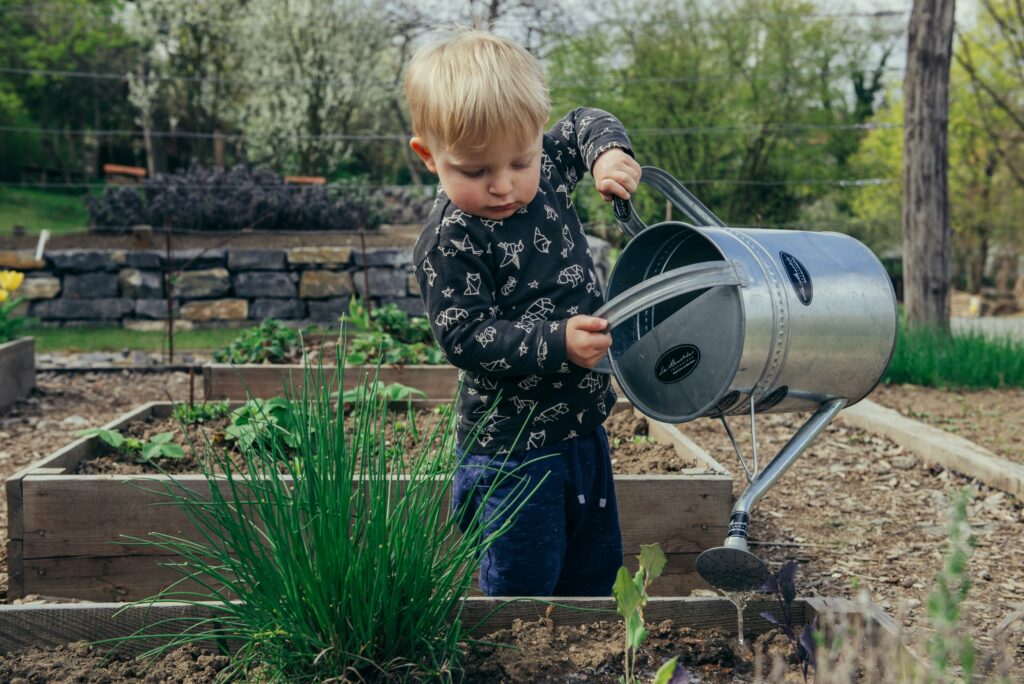
    secure attachment inner child work

    In the realm of personal relationships, one term that holds significant importance is our attachment style. This concept, derived from attachment theory, has far-reaching implications on our ability to form healthy, fulfilling connections with others. 

    Among the various attachment styles, secure attachment stands out as the ideal foundation for nurturing long-lasting relationships. In this blog post, we will delve into the world of secure attachment, exploring its key characteristics and the benefits it brings to our lives.

    Secure attachment refers to a healthy and adaptive way of relating to others in which individuals can form trusting, stable, and emotionally intimate relationships. People with a secure attachment style are comfortable expressing their emotions openly and rely on their partners while maintaining their own independence. 

    This attachment style is rooted in childhood experiences with responsive and emotionally available caregivers, shaping one’s ability to establish secure connections in adulthood

    What is attachment theory?

    Attachment theory is a foundational concept in psychology, first proposed by John Bowlby in the 1950s. It aims to explain the importance of human connections and how our earliest relationships with caregivers shape our ability to form healthy connections throughout life. This post offers an introduction to attachment theory, discussing its core principles and highlighting its significance in understanding our personal relationships.

    Attachment theory focuses on the bonds formed between infants and their primary caregivers, who play a pivotal role in shaping the child’s emotional development. 

    These early experiences lead to the formation of “internal working models,” which guide individuals’ expectations, beliefs, and behaviors in future relationships. Research has identified various attachment styles—such as secure, anxious, avoidant, and disorganized attachment—that describe different patterns of relating to others.

    Understanding attachment theory provides valuable insights into our emotional needs and the dynamics of our relationships. It helps us recognize our own attachment style and that of others, offering a lens through which we can better navigate our connections with romantic partners, friends, and even colleagues. 

    By acknowledging the influence of attachment styles, we can work towards fostering healthier, more secure relationships. In subsequent blog posts, we’ll delve deeper into the different attachment styles and explore strategies for cultivating secure attachments in our personal relationships.

    What causes a secure attachment style

    A secure attachment style develops when individuals experience consistent emotional responsiveness, availability, and sensitivity from their primary caregivers during early childhood. This secure foundation allows them to grow into adults who can establish trusting, stable relationships. However, even those who did not develop secure attachment early on can still cultivate it in adulthood through intentional practices and healthier relationships.

    Conditions that create a secure attachment

    Secure attachment, a vital component of healthy child development, lays the foundation for emotional resilience and satisfying relationships throughout life. This strong emotional bond between a child and their primary caregiver is cultivated through consistent, nurturing, and responsive caregiving experiences in early childhood. Let’s explore the specific conditions that contribute to the development of secure attachment and their long-term benefits.

    Emotional Availability

    A caregiver’s emotional availability is critical in fostering a secure attachment bond. By being present, attuned, and responsive to a child’s emotional needs, the caregiver creates an environment of trust, safety, and emotional connection. This emotional responsiveness validates the child’s experiences and helps them feel understood, supported, and valued.

    Consistent Response to Distress

    When a caregiver consistently and promptly responds to a child’s distress, it communicates to the child that their needs are a priority. This predictable and nurturing response helps the child develop trust in their caregiver, thereby strengthening their secure attachment bond. Over time, the child internalizes a sense of security and self-worth, knowing their needs will be met.

    Predictability and Consistency

    Children thrive in environments that are stable, predictable, and consistent. Caregivers who maintain consistent rules, expectations, and routines and follow through on promises provide a sense of safety and stability for children. This predictability helps children develop trust in their caregivers and builds confidence in the security of their attachment bond.

    Emotional Mirroring and Validation

    Emotional mirroring involves the caregiver reflecting and validating the child’s emotions, helping them make sense of their feelings and experiences. This attunement enables children to develop emotional self-awareness and regulation skills, fostering resilience and emotional well-being.

    The development of secure attachment in childhood has far-reaching benefits throughout one’s life. Children who experience secure attachment are more likely to grow into emotionally secure adults who can form healthy, stable relationships with others. 

    They tend to have higher self-esteem, better emotional regulation, and greater resilience when faced with challenges. By nurturing secure attachment in our children, we are investing in their long-term emotional well-being and setting them up for a lifetime of fulfilling connections.

    Signs of secure attachment in adults

    Secure attachment in adults is characterized by a balanced approach to relationships, marked by trust, emotional openness, and mutual support. Rooted in a healthy and consistent caregiver bond during childhood, secure attachment fosters resilience, emotional intelligence, and fulfilling personal connections. 

    Understanding the key signs of secure attachment can provide valuable insights into our own relationship dynamics and opportunities for growth. Let’s explore these indicators and their impact on adult relationships.

    Trust and Emotional Intimacy

    Securely attached adults can develop trusting relationships with partners, friends, and family members. They feel comfortable being vulnerable, sharing their thoughts, feelings, and experiences, and offering support to others. This emotional intimacy allows them to create deep, meaningful connections that stand the test of time.

    Effective Communication

    Clear and open communication is a hallmark of secure attachment. Adults with secure attachment styles express their needs, concerns, and desires effectively and respect the boundaries and perspectives of others. By engaging in empathetic dialogue, they can navigate conflicts more constructively and maintain a sense of harmony in their relationships.

    Self-Awareness and Emotional Regulation

    Securely attached adults possess a deep understanding of their emotions and can regulate their responses during challenging situations. They recognize the influence of their past experiences on their behaviors and beliefs and use this self-awareness to adapt and grow. By staying mindful of their emotional well-being, they can remain resilient and grounded, even in the face of adversity.

    Consistent and Reliable Behavior

    Secure attachment is characterized by consistency and reliability. These individuals follow through on their commitments and maintain steady patterns of behavior in their relationships. Their dependability fosters trust and a sense of safety for those around them, strengthening the foundations of their connections.

    Interdependence

    Securely attached adults appreciate the balance between independence and interconnectedness in relationships. They value both autonomy and emotional support, understanding that a healthy partnership involves a harmonious blend of personal growth and shared experiences. This interdependence allows for the creation of stable and fulfilling relationships.

    Adaptability and Openness to Growth

    Adults with secure attachment recognize the importance of adaptability and continuous growth. They embrace change, learn from their mistakes, and approach challenges as opportunities for self-improvement.

    By maintaining an open and curious mindset, they are better equipped to navigate the complexities of adult relationships and evolve alongside their partners.

    Recognizing the signs of secure attachment in adults is vital for fostering emotional well-being and nurturing fulfilling relationships. By prioritizing trust, effective communication, self-awareness, consistency, interdependence, and openness to growth, we can cultivate secure connections that not only enhance our lives but also serve as models of emotional resilience for future generations.

    Secure attachment in adult relationships

    Secure attachment plays a vital role in fostering healthy and fulfilling adult relationships. Individuals with a secure attachment style can balance the need for connection and intimacy with the need for autonomy and personal space, allowing them to create deep, meaningful relationships built on trust and emotional openness.

    For individuals with a secure attachment style, relationships can be a source of comfort, support, and personal growth. They can navigate the delicate balance between vulnerability and boundaries, creating an environment where partners can share their thoughts, feelings, and experiences without fear of rejection or judgment.

    In relationships, individuals with a secure attachment style prioritize emotional intimacy, effective communication, and mutual trust. This approach enables them to develop deep connections with their partners, fostering a sense of safety, understanding, and satisfaction. Over time, these relationships can grow and evolve, strengthening the bond between partners and providing a foundation of stability and support.

    At the core of a secure attachment style is emotional self-awareness and the ability to regulate emotions effectively. These individuals can express their feelings openly and honestly while respecting their partner’s emotional boundaries. This emotional openness allows them to create a deep sense of connection and understanding with their partners, supporting long-lasting, fulfilling relationships.

    Embracing vulnerability is key to developing secure attachment in adult relationships. By acknowledging and working through fears and insecurities, individuals can build the emotional resilience needed to cultivate deep, meaningful connections. With self-awareness, empathy, and open communication, individuals with a secure attachment style can create relationships that promote growth, intimacy, and mutual satisfaction.

    Individuals with a secure attachment style are better equipped to handle emotional challenges and conflicts within their relationships. Their ability to express themselves openly and honestly enables them to navigate disagreements constructively, fostering understanding and resolution. By engaging in effective communication and demonstrating empathy, securely attached individuals can strengthen their relationships, even during difficult times.

    Rather than avoiding vulnerability, individuals with a secure attachment style recognize the importance of emotional intimacy in building trust and connection. They understand that moments of conflict and emotional upheaval are opportunities for growth and deeper understanding within the relationship. By addressing challenges head-on and demonstrating emotional resilience, they can overcome obstacles and cultivate a more profound sense of trust and safety with their partners.

    The emotional self-awareness and regulation that characterize secure attachment enable these individuals to navigate the delicate balance between vulnerability and personal boundaries. They can maintain a strong sense of self while remaining open to the emotional needs and experiences of their partners. This balance allows for deep, meaningful connections and mutual emotional support, ultimately enriching the relationship and promoting long-term satisfaction.

    By embracing vulnerability and engaging in honest communication during moments of conflict, individuals with a secure attachment style can transform emotional challenges into opportunities for growth and connection. In doing so, they cultivate a strong, resilient relationship that fosters trust, emotional intimacy, and mutual support.

    Can you develop a secure attachment style as an adult?

    If you resonate with the description of a secure attachment style, then you’re fortunate to have that stability, consistency and emotional support in childhood. 

    However, if you resonate more with the descriptions of insecure attachment, the good news is that you can change your attachment style.

    The journey to developing secure attachment involves fostering both healthy external relationships and a secure internal attachment. By focusing on these interconnected aspects, we can create lasting change and promote personal growth. As someone dedicated to helping others overcome insecure attachment, I believe in a holistic approach that builds trust, self-compassion, and emotional resilience.

    To cultivate a secure internal attachment, we must prioritize self-awareness, self-compassion, and emotional regulation skills. Techniques such as mindfulness, journaling, and therapy can aid in identifying and reshaping negative beliefs and patterns that hinder our ability to form secure connections. As we strengthen our emotional stability and self-worth, we become better equipped to create and nurture secure relationships with others.

    A comprehensive approach is essential to address the subconscious manifestations of attachment trauma and cultivate inner security. Many courses may focus solely on surface-level strategies like affirmations or journaling, but addressing the root causes of insecure attachment necessitates a deeper exploration.

    Our Heal Insecure Attachment course offers a transformative, emotion-focused process that integrates subconscious patterns and facilitates personal growth. Through over 6 hours of video content and therapeutic meditations, participants gain the tools needed to explore and reshape their attachment styles.

    Enroll in our Heal Insecure Attachment course for a holistic approach to healing, paving the way for secure relationships and a more balanced, fulfilling life. By focusing on self-awareness, emotional regulation, and inner security, we can break free from the cycle of fear and disconnection and create a foundation of trust and confidence in all aspects of our lives.

    Therapy

    If you’d like to cultivate secure attachment, I recommend internal family systems therapy. This helps you to heal attachment wounds, release energy and strengthen your secure adult self.
    If this resonates, go to my home page to view my current availability for booking a session. I offer virtual therapy for those in the UK, US & Europe.


  • Fearful Avoidant Attachment Style: 7 signs, Causes, Impact + Steps to Heal

    fearful avoidant attachment style inner child work

    Are you trapped in a cycle of turbulent relationships, finding it difficult to strike a balance between your desire for intimacy and your fear of rejection? You might be struggling with a fearful avoidant attachment style, also known as disorganized attachment.

    This is one of the four attachment styles that affects numerous individuals in their personal lives and can significantly impact their emotional well-being. Let’s explore the fearful avoidant attachment style and its effects on our emotional experiences.

    People with a fearful avoidant attachment style frequently vacillate between craving closeness and being apprehensive about vulnerability in their relationships. This attachment style arises from a combination of both anxious and avoidant inclinations, often stemming from a childhood history of unpredictable or inconsistent caregiving.

    These individuals may yearn for emotional connection but harbor a deep-seated belief that they are inherently undeserving of love and intimacy. This inner conflict can lead to a pattern of behavior where they push people away, only to desperately attempt to draw them back in. Consequently, their relationships might be characterized by emotional extremes, encompassing both highs and lows.

    First, let’s look at attachment theory

    Before delving into fearful avoidant attachment, let us first explore attachment theory.

    Attachment theory, initially conceptualized by psychologist John Bowlby in the 1950s, serves as a crucial framework for grasping the intricacies of human relationships and emotional growth. Bowlby’s research indicated that the bonds formed with primary caregivers during early childhood play a pivotal role in shaping our emotional well-being and interaction patterns with others throughout our lives.

    The underlying premise of attachment theory is that humans possess an innate need for emotional connection and a sense of security. Our experiences with caregivers during our formative years mold our attachment style, which subsequently influences how we perceive and navigate relationships as adults.

    Attachment theory outlines three primary attachment styles: secure, anxious, and avoidant. Individuals with a secure attachment style typically demonstrate comfort with emotional intimacy and trust in their partners. In contrast, those with anxious or avoidant attachment styles may encounter difficulties in emotional regulation, trust, and maintaining intimacy in their relationships.

    Recognizing and comprehending our attachment style can provide valuable insights into our emotional experiences and relationship dynamics. By gaining awareness of our attachment patterns, we can embark on a journey of cultivating healthier, more satisfying connections and fostering a greater sense of emotional well-being. As we delve deeper into fearful avoidant attachment, understanding this theoretical foundation will aid in unpacking the complexities of this attachment style and its impact on relationships.

    What you need to know about fearful avoidant attachment style

    Fearful avoidant attachment style, also known as disorganized attachment, is one of the primary attachment styles and is characterized by a simultaneous desire for intimacy and independence. Individuals with this attachment style frequently find themselves in a cycle of pushing others away and then frantically trying to bring them closer, resulting in emotionally intense and unstable relationships.

    People with a fearful avoidant attachment style often have difficulties with emotional regulation and self-esteem, making it challenging for them to establish secure and stable connections with others. They may simultaneously fear abandonment and emotional intimacy, leading to inconsistent and chaotic behaviors within their relationships.

    Recognizing and understanding fearful avoidant attachment style is essential for overcoming relationship difficulties and promoting emotional well-being. By identifying the core patterns and working on developing healthier attachment strategies, individuals can learn to cultivate more stable and fulfilling relationships.

    The causes of fearful avoidant attachment style

    The development of a fearful avoidant attachment style can often be attributed to inconsistent caregiving during childhood, coupled with elements of fear or trauma. This attachment style emerges from a combination of anxious and avoidant tendencies, creating a sense of internal conflict for the individual.

    In a typical secure attachment scenario, when a child experiences distress, the caregiver responds with comfort and reassurance, helping the child regulate their emotions and develop trust in their caregiver’s availability. However, in the case of a fearful avoidant attachment, the child may receive inconsistent caregiving that combines elements of both responsiveness and unresponsiveness, along with experiences of fear or trauma.

    For example, a child might have a caregiver who sometimes offers comfort during distress but at other times responds with anger, punishment, or dismissal. This unpredictable caregiving pattern creates confusion for the child, leading them to doubt the safety and reliability of their caregiver. Moreover, if the child has experienced abuse or trauma from their caregiver, they may develop a deep-seated fear of intimacy and vulnerability, as they struggle to reconcile their desire for connection with their fear of being hurt.

    As a result, the child develops a fearful avoidant attachment style, characterized by a desire for closeness and intimacy while simultaneously fearing rejection or emotional vulnerability. They may have difficulty trusting others and experience a sense of anxiety and insecurity in their relationships, often vacillating between seeking closeness and pushing people away.

    When caregivers exhibit a mix of nurturing and dismissive behaviors, children can become conflicted about how their emotional needs will be met. This uncertainty can lead to the development of fearful avoidant attachment patterns, as they attempt to navigate the inconsistency of their caregiver’s responsiveness.

    For instance, a child who sometimes receives comfort and affection from their caregiver while at other times is ignored or punished for seeking emotional support can develop a sense of confusion and anxiety. This can create a cyclical pattern of behavior, where the child becomes clingy and desperate for connection while also fearing the potential rejection or abandonment from their caregiver.

    As these children grow older, they often carry this internal conflict into their adult relationships, grappling with the desire for intimacy and the fear of vulnerability. They may struggle to trust their partners and experience a sense of ambivalence in their relationships, seeking closeness while simultaneously pushing people away. Ultimately, understanding the root causes of fearful avoidant attachment can help individuals recognize their emotional patterns and work towards fostering healthier connections.

    Signs of fearful avoidant attachment style

    Recognizing the indicators of fearful avoidant attachment style is crucial for individuals who wish to develop healthier relationships and overcome their emotional barriers. Here is a more in-depth exploration of the seven common signs of fearful avoidant attachment:

    Inconsistent behavior

    Individuals with a fearful avoidant attachment style often exhibit unpredictable behavior within their relationships. They may appear ambivalent, alternating between seeking closeness and intimacy with their partners, and then pushing them away when they feel vulnerable or threatened. This pattern can lead to instability and confusion, making it challenging for their partners to understand their emotional needs and create a secure connection.

    Difficulty with vulnerability 

    Fearful avoidant individuals may find it challenging to open up emotionally and express vulnerability in their relationships. This difficulty stems from a fear of rejection or abandonment, often rooted in past experiences that have negatively impacted their ability to trust others. Consequently, these individuals may struggle to develop emotional intimacy with their partners and may appear emotionally distant or closed off.

    Emotional volatility

    Due to the internal conflict they experience, individuals with a fearful avoidant attachment style may exhibit a pattern of emotional highs and lows in their relationships. On one hand, they may experience intense positive emotions, such as love, passion, and happiness. On the other hand, they may also grapple with negative emotions like insecurity, jealousy, or anger. These emotional fluctuations can lead to a tumultuous relationship dynamic, making it difficult for both partners to find stability and security.

    Sensitivity to criticism or rejection

    People with a fearful avoidant attachment style may be highly sensitive to any perceived criticism or rejection from their partners. This heightened sensitivity often results in overreactions, defensiveness, or a tendency to withdraw from the relationship when they feel threatened. This behavior can make it challenging for their partners to provide support or address issues constructively, further straining the relationship.

    Poor communication

    Effective communication is often a challenge for individuals with a fearful avoidant attachment style. Their fear of vulnerability may inhibit their ability to express their emotions, needs, or concerns openly. This lack of communication can lead to misunderstandings, unmet expectations, and frustration in the relationship. Over time, this pattern can erode trust and intimacy between partners.

    Low self-esteem

    Individuals with a fearful avoidant attachment style often grapple with self-esteem issues. They may experience feelings of self-doubt, insecurity, and a lack of self-worth, which can further exacerbate their fear of abandonment and hinder their ability to form stable relationships. These negative self-perceptions may also contribute to their sensitivity to criticism and their tendency to push others away.

    Difficulty trusting others 

    Trust is a significant obstacle for individuals with a fearful avoidant attachment style. Due to past experiences of rejection, abandonment, or hurt, they may have difficulty believing that their partners are trustworthy and genuinely care for them. This lack of trust can lead to a constant fear of betrayal or abandonment, making it challenging for them to form secure attachments and enjoy a sense of safety and security within their relationships.

    Recognizing these indicators of fearful avoidant attachment style is essential for individuals who wish to improve their relationships and cultivate emotional well-being. By identifying these patterns and actively working to develop self-awareness, emotional regulation, and trust-building skills, individuals can learn to form more secure attachment patterns and create healthier, more satisfying connections with their partners.

    While fearful avoidant attachment is often associated with challenges in relationships, it is essential to recognize that individuals with this attachment style also possess unique strengths and qualities. Here are four positive aspects to consider:

    Heightened sensitivity to others

    Individuals with a fearful avoidant attachment style tend to be highly attuned to the emotions and needs of their partners. Their experiences with emotional volatility and uncertainty can make them more empathetic and compassionate, allowing them to provide support and understanding to their partners in times of distress.

    Resilience and adaptability

    Having navigated unpredictable caregiving and emotional turmoil during their formative years, fearful avoidant individuals can develop strong resilience and adaptability in adulthood. These traits can help them manage difficult situations and navigate life’s challenges with greater fortitude.

    Self-awareness and introspection

    Recognizing the impact of their attachment style on relationships can lead fearful avoidant individuals to engage in deep self-reflection and introspection. This self-awareness can serve as a powerful tool for personal growth, enabling them to identify their emotional patterns and work towards healthier relationships.

    Opportunity for growth

    By understanding their attachment style and its influence on their emotional experiences, fearful avoidant individuals can embark on a journey of healing and self-improvement. Through therapy, mindfulness practices, and communication skills development, they can cultivate secure attachment patterns and build stronger, more satisfying connections with their partners.

    Recognizing the strengths associated with fearful avoidant attachment allows individuals to leverage these qualities as they work towards personal growth and healthier relationships. While challenges may exist, embracing the positive aspects of this attachment style can provide a foundation for meaningful change and emotional well-being.

    Steps to heal fearful avoidant attachment style

    Healing from a fearful avoidant attachment style is a transformative journey that requires patience, self-compassion, and commitment. Some key steps to embark on this path include:

    Self awareness

    Healing a fearful avoidant attachment style is a journey that requires self-awareness, emotional regulation, and trust-building. To begin, individuals with this attachment style must first understand and recognize their fears and insecurities surrounding intimacy and vulnerability. By identifying the root causes of these emotions, they can start cultivating self awareness. 

    Develop emotional intelligence

    Developing emotional intelligence is key to healing a fearful avoidant attachment style. Learning to identify and express one’s emotions healthily will enable individuals to establish better communication and improve their relationships. They can practice this by engaging in introspection, journaling, and seeking feedback from trusted friends or family members.

    Build trust

    Another crucial aspect of healing is building trust within relationships. Fearful avoidant individuals can work on establishing secure bonds with others by focusing on open communication, consistency, and active listening. By gradually learning to let their guard down and lean on others, they can cultivate a sense of safety and security that will facilitate their healing process. Over time, with persistence and self-awareness, individuals with a fearful avoidant attachment style can develop healthier relationships and experience greater emotional well-being.

    Learn to set boundaries

    Another crucial aspect of healing a fearful avoidant attachment style is learning to establish and maintain personal boundaries. Individuals with this attachment style often struggle with asserting their needs and preferences, which can lead to feelings of resentment or being overwhelmed in relationships. By identifying their boundaries and communicating them clearly and respectfully to others, they can foster a sense of security and self-respect.

    This process starts by recognizing one’s own needs and limits in various aspects of life, such as time, personal space, and emotional energy. From there, individuals with a fearful avoidant attachment style can practice setting boundaries in low-stakes situations, gradually building their confidence and communication skills. 

    As those with a fearful avoidant attachment style become more comfortable with boundary-setting, they can begin to apply these skills in their close relationships, creating a foundation of trust and mutual respect. Over time, they will likely notice improvements in their overall emotional well-being, experiencing less anxiety and more fulfilling connections with others.

    Cultivate a secure internal attachment

    An important aspect of healing a fearful avoidant attachment style is learning to foster a secure internal attachment. 

    Many resources may emphasize surface-level strategies like affirmations or journaling, but these may not address the underlying cause: subconscious manifestations of attachment trauma. A subconscious approach is crucial for healing disorganized fearful avoidant attachment, nurturing inner security, and resolving the root causes of this attachment style.

    Our Heal Insecure Attachment course offers a somatic and emotion-focused process to integrate subconscious patterns and promote personal growth. With over 6 hours of video content and therapeutic meditations, this course provides the tools to explore and transform disorganized fearful avoidant attachment patterns.

    Enroll in our Heal Insecure Attachment course for a comprehensive approach to healing, paving the way for secure relationships and a more balanced, fulfilling life. By addressing the core issues and nurturing inner security, you can overcome the challenges associated with disorganized fearful avoidant attachment and create lasting, meaningful connections.

    Inner child therapy

    If this resonates and you’d like to go deeper, I recommend inner child therapy. You can go to my home page to view my current availability for booking a session. I offer virtual therapy for those in the UK, US & Europe.

  • From Insecure to Earned Secure Attachment: 8 Strategies


    From Insecure to Earned Secure Attachment: 8 Strategies

    earned secure attachment inner child work 1

    Our attachment styles form in the early stages of life, shaped by how our primary caregivers attended to our emotional needs.

    Typically, these initial attachment patterns maintain a degree of stability throughout our lives and impact our adult relationships. So for example, someone with a secure attachment style in childhood, where their emotional needs were consistently met, will likely carry this pattern into adulthood. 

    As a result, they may find it easier to develop trusting, stable relationships, openly communicate their feelings, and provide support to their partners.

    Conversely, individuals who experienced insecure attachment during their formative years, characterized by emotional neglect, inconsistency, or trauma, are more likely to exhibit similar patterns in their adult relationships. For instance, they may struggle with trust issues, fear of abandonment, or difficulty expressing their needs, leading to challenges in forming and maintaining healthy connections.

    However can our attachment style change?

    Although our early attachment patterns may influence our adult relationships, the good news is that it’s possible for our attachment style to change. With conscious effort, introspection, and therapeutic interventions, individuals can work towards a more secure and healthy attachment approach.

    The concept of “earned secure attachment” underscores this potential for transformation. By engaging in self-work, gaining insight into our attachment history, and cultivating secure relationships later in life, we can foster an earned secure attachment style. This positive shift not only impacts our current relationships but also paves the way for healthier connections in the future, ultimately leading to enhanced emotional well-being and resilience.

    Fortunately, our brains possess incredible resilience and the capacity to rewire themselves following consistent positive experiences. Thus, healthy relationships can reshape our early insecure connections. Essentially, it’s possible to transform an insecure attachment style into what experts call earned secure attachment.

    What is earned secure attachment?

    Earned secure attachment is a remarkable testament to our capacity for growth and resilience in the realm of human connection. This transformative relationship style emerges when individuals with a history of insecure attachment patterns develop healthier, more adaptive ways of connecting with others over time. Through a combination of self-awareness, intentional relationship skills, and a willingness to challenge emotional defenses, individuals can overcome their initial attachment insecurities and forge secure, fulfilling relationships.

    Some of the signs of earned secure attachment include:

    • Individuals with earned secure attachment demonstrate a strong understanding of their emotions and can identify how their attachment history influences their current behavior in relationships.
    • They can clearly and openly express their needs, feelings, and boundaries while being receptive and empathetic towards their partner’s emotions and needs.
    • Earned secure attachment is characterized by a foundation of trust, dependability, and consistency within relationships, allowing for deeper intimacy and vulnerability.
    • These individuals can navigate conflicts and challenges in their relationships with resilience, utilizing healthy coping strategies to manage stress and maintain emotional balance.
    • They establish and maintain clear boundaries while respecting their partner’s boundaries, fostering a sense of personal identity and mutual respect within the relationship.
    • Individuals with earned secure attachment are emotionally available, supportive, and responsive to their partner’s emotional needs, promoting a sense of security and connection.

    The journey towards earned secure attachment begins with cultivating emotional self-awareness. This involves engaging in introspection and examining one’s attachment patterns to understand how they impact relationships. As individuals become more attuned to their emotional responses, they can recognize when their behaviors or reactions may stem from an insecure attachment style.

    Simultaneously, developing intentional relationship skills is crucial for fostering earned secure attachment. This includes learning and practicing healthy communication techniques, such as expressing emotions and needs clearly and assertively while remaining open and empathetic to others’ perspectives. Emotional regulation and the willingness to be vulnerable also contribute to the development of stronger, more authentic connections.

    The journey towards earned secure attachment demonstrates our remarkable capacity for growth and transformation in the face of past adversity. As individuals embrace this process, they not only foster resilience and emotional well-being but also create a foundation for lasting, meaningful relationships. This powerful transformation offers hope to those seeking to overcome insecure attachment and create a brighter, more connected future.

    How to develop earned secure attachment

    1. Identify your attachment style 

    Identifying your attachment style is a critical first step in developing earned secure attachment. By understanding your unique patterns of connection and emotional response, you can gain valuable insights into how to foster healthier, more fulfilling relationships. There are four primary attachment styles, each with distinct characteristics and implications for emotional connection.

    The four attachment styles are:

    Secure: Individuals with a secure attachment style exhibit comfort with intimacy, trust in their partners, and effective communication of their needs.

    Anxious: Those with an anxious attachment style tend to crave intimacy but may experience insecurity, fear of rejection, and heightened sensitivity in their relationships.

    Avoidant: People with an avoidant attachment style often struggle with emotional closeness, value independence over intimacy, and may appear distant or dismissive in their connections.

    Disorganised: Individuals with a disorganized attachment style exhibit unpredictable patterns in their relationships, often experiencing intense fear or confusion around intimacy.

    To determine your attachment style and unlock personalized strategies for cultivating earned secure attachment, take our attachment quiz. With greater self-awareness and tailored guidance, you’ll be well on your way to fostering healthier, more satisfying relationships and embracing the transformative power of earned secure attachment.

    2. Practice self-reflection

    Engaging in self-reflection on your attachment patterns is an essential aspect of fostering earned secure attachment. By exploring your unique emotional responses and behaviors within relationships, you can develop a deeper understanding of how your attachment style has evolved as a protective mechanism. This curiosity and introspection enable you to approach your connections with greater compassion and intentionality.

    Start by observing your emotional reactions in various relationship scenarios, such as when a partner seeks closeness, expresses vulnerability, or engages in conflict. Notice any patterns that emerge, and consider how these responses may have protected you from perceived threats or emotional pain in the past. For instance, an avoidant attachment style might have shielded you from rejection or disappointment, while an anxious style may have served as a vigilant defense against potential abandonment.

    As you gain awareness of your attachment patterns, approach them with curiosity and non-judgment. Recognize that these strategies emerged as a means of navigating the complex emotional landscape of human connection. By honoring their protective role while acknowledging their limitations, you can begin to reframe your attachment style and work towards cultivating the emotional security that fosters healthier, more fulfilling relationships.

    3. Create an internal attachment figure

    Creating an internal attachment figure is a powerful tool in fostering earned secure attachment. By cultivating a nurturing, supportive inner voice, you establish a secure base within yourself – one that can offer comfort, reassurance, and guidance as you navigate your relationships. This practice can help diminish feelings of anxiety and insecurity, promoting greater emotional stability and resilience.

    Start by envisioning an ideal caregiver or attachment figure – one who embodies the qualities you seek in a secure relationship, such as empathy, understanding, and consistent support. Allow this figure to become a part of your inner dialogue, offering words of wisdom and encouragement as you face challenges or experience distress in your relationships.

    As you develop this internal attachment figure, you’ll begin to internalise a sense of security and self-worth that extends beyond any single relationship. This newfound resilience will enable you to approach your connections with greater confidence and authenticity, fostering healthier, more fulfilling bonds with others. By nurturing your own emotional well-being, you lay the groundwork for earned secure attachment and create a foundation for lasting, meaningful relationships.

    4. Carefully evaluate partners

    A proactive approach to developing an earned secure attachment involves carefully evaluating potential partners in the early stages of a relationship. By examining compatibility, emotional availability, and shared values, you can build a strong foundation for a secure and fulfilling connection while minimizing the risk of falling into familiar, unhealthy relationship patterns.

    To cultivate earned secure attachment by vetting partners, invest time in learning about them, inquiring about their background, and observing their behavior to gauge emotional availability and shared values. Focus on their communication style, conflict resolution abilities, and treatment of others, as these can offer insights into their attachment style.

    Stay attuned to your own attachment patterns and emotional needs, ensuring that the connection feels balanced and reciprocal. By thoughtfully selecting partners who are capable of forming secure attachments, you’ll be better equipped to develop earned secure attachment and foster relationships that are supportive, nurturing, and enduring.

    5. Attune to your feelings and needs

    Attuning to your feelings and needs is an essential practice in developing earned secure attachment. By cultivating a deeper understanding of your emotions and personal requirements, you equip yourself with the self-awareness necessary to create healthy, fulfilling relationships. This process empowers you to recognize when your needs are being met, as well as when a partner may not be the best fit for your emotional well-being.

    Embracing emotional attunement requires introspection and mindfulness. Take time to explore your emotions, reflecting on what triggers feelings of insecurity or anxiety within your relationships. Identify patterns that may be contributing to these negative emotions and consider alternative coping mechanisms that align with your attachment goals.

    As you develop a stronger connection to your feelings and needs, you’ll be better equipped to communicate them assertively and establish boundaries within your relationships. This practice cultivates an environment of trust, vulnerability, and emotional safety – all critical components of earned secure attachment. By acknowledging and prioritizing your needs, you empower yourself to seek connections that foster growth, support, and genuine connection.

    6. Practice communication

    A crucial part of developing earned secure attachment lies in mastering the art of emotional communication. By articulating your needs and feelings transparently and assertively, you create an environment conducive to empathy, understanding, and connection in your relationships. This open dialogue can help alleviate the fear and insecurity often associated with insecure attachment, ultimately fostering trust and emotional safety.

    To achieve earned secure attachment through emotional communication, start by identifying your needs within the relationship. Communicate these needs using “I” statements, centering the conversation around your feelings and experiences, while avoiding blame or criticism toward your partner. Actively listen to your partner’s responses and collaborate to find solutions that address both of your needs.

    By consistently practicing open and empathetic communication, you’ll foster earned secure attachment, building relationships based on mutual understanding, trust, and emotional connection. Remember, effective communication is a skill that improves with practice, and every conversation you have contributes to your journey toward earned secure attachment and the cultivation of strong, resilient bonds.

    7. Set your standards

    Standards play a pivotal role in fostering earned secure attachment, as they serve as a guiding framework for establishing healthy relationships. By setting clear expectations and communicating them effectively, you lay the foundation for a connection that nurtures your emotional needs and promotes a sense of security. Conversely, neglecting to establish standards can lead to settling for relationships that ultimately perpetuate feelings of anxiety and insecurity.

    In today’s dating landscape, many individuals feel pressured to adopt a “cool girl” persona, masking their genuine needs and desires to appear more desirable. However, this approach often backfires, as it not only undermines personal values but also attracts partners who are unable or unwilling to meet those needs. In essence, the pursuit of being the “cool girl” can inadvertently contribute to maintaining unhealthy relationships that exacerbate anxious attachment patterns.

    By embracing your needs and communicating them assertively, you may inadvertently scare away partners who are incompatible or unwilling to invest in a secure, healthy connection. Simultaneously, this honesty will naturally attract individuals who share your values and are eager to build a relationship that aligns with your standards. In doing so, you pave the way for earned secure attachment and cultivate a sense of trust, intimacy, and vulnerability in your relationships. Remember, authenticity is the cornerstone of any successful connection, and having standards ensures that you honor your own needs while fostering a supportive, emotionally fulfilling partnership.

    8. Heal the child within

    Healing the child within is a transformative process that can pave the way for earned secure attachment. This journey involves addressing unresolved emotional wounds from childhood, fostering self-compassion, and reparenting your inner child to cultivate a stronger sense of security and self-worth.

    Begin by acknowledging the unmet needs and painful experiences of your inner child. Extend empathy and understanding to this younger version of yourself, recognizing that their experiences have shaped your attachment style and emotional landscape. By offering compassion to your inner child, you create a foundation for healing and growth.

    Next, engage in reparenting by providing the emotional nurturance and support that may have been absent during your formative years. Visualize your current self as a loving caregiver, offering guidance, reassurance, and unconditional love to your inner child. This process enables you to rewrite your attachment narrative, fostering earned secure attachment and promoting emotional resilience in your adult relationships. As you heal the child within, you’ll discover greater capacity for trust, vulnerability, and genuine connection with others.

    9. Seek emotional support

    Learning to seek emotional support is a vital skill for developing earned secure attachment. By recognizing the value of vulnerability and leaning on trusted individuals during times of need, you can build a network of connection and understanding that bolsters your emotional well-being. 

    This process fosters resilience and trust, both crucial components of secure attachment.

    Start by identifying individuals in your life who have demonstrated empathy, emotional availability, and consistent support. These may be friends, family members, or even mental health professionals. Acknowledge any hesitation or discomfort you might feel when seeking help, and remember that vulnerability is a strength, not a weakness.

    As you begin to reach out for support, practice expressing your feelings and needs clearly and directly. Communicate your desire for understanding or assistance, and be open to the empathy and guidance offered by those who care for you. With time and practice, seeking emotional support will become more natural, and you’ll experience the transformative power of secure connection in fostering resilience, self-worth, and emotional well-being.

    Build earned secure attachment

    Transforming attachment patterns towards earned secure attachment requires a more profound approach than conventional self-help methods such as journaling, affirmations, and workbooks. While these techniques offer valuable insights into attachment theory, addressing attachment trauma necessitates targeting its subconscious origins.

    To effectively cultivate earned secure attachment, focusing on subconscious strategies that foster inner resilience and stability is essential. By identifying and addressing the root causes of attachment trauma and nurturing a solid sense of security within, individuals can experience transformative growth and create healthier, thriving relationships.

    Our Heal Insecure Attachment course guides participants through the process of managing anxiety and nurturing their inner child, enabling the release of emotional energy and cultivating an internal secure attachment style. This comprehensive course provides over 6 hours of video content and therapeutic meditations, equipping participants with practical tools to explore subconscious patterns related to anxious attachment and facilitate their integration.

    By embracing this somatic and emotion-focused approach, participants can address the core issues underlying anxious attachment and learn how to overcome anxious preoccupied attachment, paving the way for secure relationships and overall well-being.

    Explore our Heal Insecure Attachment course to embark on a journey of self-discovery, inner healing, and personal growth. By addressing the signs of anxious attachment at their source, individuals can develop an earned secure attachment style, laying the foundation for healthier relationships and a more balanced, fulfilling life.

    Therapy for healing insecure attachment

    I recommend therapy for going deeper and healing attachment wounds. You can go to my home page to view my current availability for booking a session. I offer virtual therapy for those in the UK, US & Europe.

  • Dismissive Avoidant Attachment Style: 7 Signs, Causes, Impact + Steps to Heal

    dismissive avoidant attachment style inner child work

    Dismissive Avoidant Attachment Style: 7 Signs, Causes, Impact + Steps to Heal

    Do you ever find it challenging to form meaningful connections with others, keeping them at a distance, and avoiding emotional vulnerability? You might be experiencing a dismissive avoidant attachment style, also referred to as dismissive avoidant attachment. This attachment style can significantly affect personal relationships and emotional well-being. Let’s delve into the characteristics of a dismissive avoidant attachment style and its impact on emotional connection.

    People with a dismissive avoidant attachment style tend to prioritize self-reliance and independence. As a result, they often struggle with emotional vulnerability or closeness in their relationships. This attachment style is rooted in the belief that emotional needs signify weakness or that emotional intimacy will result in rejection or abandonment.

    While a dismissive avoidant attachment style may offer a sense of safety and control, it can also lead to feelings of isolation and disconnection from others. Individuals with a dismissive avoidant attachment style might find it difficult to form deep, meaningful relationships and may downplay or dismiss the significance of emotional connection in their lives.

    However, by understanding the underlying causes and consequences of an avoidant attachment style, individuals can begin to develop more secure and fulfilling connections with others.

    But first, let’s start with attachment theory 

    Attachment theory, first introduced by psychologist John Bowlby in the 1950s, is a key framework for understanding human relationships and emotional growth. Bowlby proposed that the bonds we form with our primary caregivers during early childhood have a significant impact on our emotional well-being and how we interact with others throughout our lives.

    The central tenet of attachment theory is the idea that humans have an inherent need for emotional connection and security. Our early experiences with caregivers shape our attachment style, which influences our perceptions and interactions in adult relationships.

    There are three primary attachment styles: secure, anxious, and avoidant. Individuals with a secure attachment style are generally at ease with emotional intimacy and trust their partners, while those with anxious or avoidant attachment styles may struggle with emotional regulation, trust, and intimacy in their relationships.

    Developing an awareness of our attachment style can provide valuable insights into our emotional experiences and relationship patterns. By identifying our own attachment style, we can work on cultivating healthier, more satisfying relationships and promoting greater emotional well-being.

    What is dismissive avoidant attachment style 

    Dismissive avoidant attachment style, also known as avoidant attachment, is one of the three primary attachment styles identified in attachment theory. Individuals with a dismissive avoidant attachment style tend to prioritize independence and self-reliance, often struggling with emotional vulnerability or closeness in their relationships.

    At the core of this attachment style is the belief that emotional needs are a sign of weakness, or that emotional intimacy will lead to rejection or abandonment. As a result, people with dismissive avoidant attachment may dismiss or suppress their emotions and avoid situations that require emotional vulnerability or reliance on others.

    While a dismissive avoidant attachment style may provide a sense of safety and control, it can also lead to feelings of isolation and disconnection from others. These individuals may find it challenging to form deep, meaningful relationships and may downplay or dismiss the importance of emotional connection in their lives. By understanding the roots and effects of dismissive avoidant attachment, individuals can begin to develop healthier, more secure connections with others.

    What causes dismissive avoidant attachment style 

    The development of a dismissive avoidant attachment style can be traced back to an individual’s early experiences with their primary caregivers. 

    Our attachment style is largely shaped by how our caregivers react to our vulnerable stress during early childhood.

    When caregivers consistently provide security and emotional support, it fosters a secure attachment style, allowing us to trust that our needs will be met and to confidently extend that trust to others in the world.

    However, if our primary caregivers are emotionally distant or unresponsive to our needs, we may learn that it is not safe to seek physical and emotional connections, resulting in low trust and high avoidance of others. 

    Inconsistent or dismissive responses to a child’s emotional needs can lead them to develop a dismissive avoidant attachment style as they learn that their emotional needs may not be met by others. As a result, they may begin to suppress their emotions and rely on self-soothing behaviors, ultimately leading to the development of dismissive avoidant attachment.

    Additionally, children who are encouraged to be overly independent or are punished for expressing emotional vulnerability may also be more likely to develop this attachment style. 

    These experiences can lead to a belief that emotional needs are a sign of weakness, and emotional intimacy will result in rejection or abandonment, causing the individual to adopt a dismissive avoidant attachment style as a means of self-protection.

    Dismissive avoidant attachment style in adults 

    Individuals with a dismissive avoidant attachment style often face unique challenges when navigating romantic relationships. On the one hand, they may genuinely desire love and companionship, yet they fear letting someone become too close, leading them to end relationships prematurely in order to avoid potential abandonment. This behavior can stem from a deep-seated belief, rooted in childhood experiences, that they are somehow flawed or unlovable.

    As a result of these fears and insecurities, avoidant daters may distance themselves from others, focusing instead on cultivating a strong sense of self. By dismissing the importance of relationships, they attempt to manage their fears of intimacy and protect themselves from rejection. It’s important to understand, however, that these avoidance mechanisms are not an inherent part of one’s identity; they are learned behaviors that can be deconstructed and transformed to foster healthier, more fulfilling relationships.

    Identifying and acknowledging one’s avoidant tendencies is the first step in the process of building trust and deepening emotional vulnerability. By allowing others the opportunity to provide support and practicing openness in communication, individuals with a dismissive avoidant attachment style can gradually become more comfortable in expressing their needs without feeling overwhelmed or emotionally dysregulated. 

    Over time, they can learn to break free from the habitual avoidant behaviors that developed during childhood, ultimately leading to more secure and satisfying connections with their partners.

    In summary, a person with a dismissive avoidant attachment style may struggle with emotional intimacy in relationships due to deep-seated fears and insecurities. However, by recognizing these patterns and actively working to cultivate trust and vulnerability, they can develop healthier connections and move beyond the avoidant behaviors established in their early years.

    Signs of dismissive avoidant attachment style 

    In this section, we’ll explore the signs of Dismissive Avoidant Attachment Style to help you better understand your relationship patterns and emotional experiences. By identifying these signs, you can gain valuable insights into your own attachment style, which is the first step towards fostering healthier connections with others.

    Difficulty with emotional intimacy

    One of the primary signs of dismissive avoidant attachment style is difficulty with emotional intimacy. Individuals with this attachment style may struggle to open up emotionally, avoiding vulnerable conversations or situations that require them to express their feelings. They may appear emotionally distant or disconnected, even in close relationships.

    High independence and self-reliance

    Another sign of dismissive avoidant attachment style is a strong emphasis on independence and self-reliance. These individuals may have difficulty asking for help or relying on others, often preferring to handle things on their own. This need for autonomy can sometimes be so extreme that it interferes with their ability to form meaningful connections with others.

    Dismiss others emotions

    People with dismissive avoidant attachment style may also have a tendency to minimize or dismiss the importance of emotions in their lives. They may view emotional vulnerability as a sign of weakness and prioritize rationality over emotional expression. This can lead to a lack of empathy and understanding of others’ emotions as well.

    Can appear aloof

    In relationships, individuals with dismissive avoidant attachment style may appear aloof or uninterested in commitment. They may struggle to maintain long-term relationships, often pulling away or shutting down emotionally when things become too intimate. This pattern can lead to a series of short-lived relationships or an inability to form a stable, committed partnership.

    Fear of vulnerability

    A common sign of dismissive avoidant attachment style is a fear of vulnerability. These individuals may struggle to trust others and avoid situations that require them to open up emotionally, fearing that they will be hurt or rejected if they expose their true feelings. This fear can prevent them from forming deep, meaningful connections and can lead to a sense of isolation and loneliness.

    Difficulty identifying and expressing emotions

    Individuals with dismissive avoidant attachment style may also have difficulty identifying and expressing their own emotions. They may struggle to label their feelings and may appear emotionally distant or disconnected, even when experiencing strong emotions internally. This lack of emotional awareness can contribute to communication difficulties in their relationships.

    Emptiness

    Lastly, people with dismissive avoidant attachment style may experience a sense of emptiness or boredom in their relationships. They may struggle to find satisfaction in emotional connections, often feeling restless or unfulfilled in their partnerships. This can lead to a pattern of moving from one relationship to the next, searching for something that they may struggle to achieve due to their attachment style.

    Strengths of dismissive avoidant attachment style

    Recognizing the characteristics of your attachment style and understanding how they may affect your life and relationships is crucial. That being said, it is equally essential to acknowledge the positive aspects of an avoidant attachment style and how these traits can potentially contribute to personal growth and well-being. By focusing on the strengths associated with this attachment style, you can harness its advantages and cultivate a healthier approach to your relationships and emotional experiences.

    One of the primary strengths of individuals with a Dismissive Avoidant Attachment Style is their strong sense of independence and self-reliance. They are often highly capable of taking care of themselves and managing their own affairs without relying heavily on others. This independence can lead to a sense of autonomy and resilience, allowing them to navigate challenges and setbacks with determination and resourcefulness.

    Another strength of individuals with a Dismissive Avoidant Attachment Style is their ability to remain composed and level-headed in emotionally charged situations. Due to their tendency to suppress or minimize emotions, they may be less likely to become overwhelmed or reactive in stressful circumstances. This emotional control can be beneficial in certain contexts, such as professional settings or high-pressure environments where clear thinking and rational decision-making are essential.

    People with a Dismissive Avoidant Attachment Style  may also excel in situations that require objectivity and detachment. Their preference for rationality over emotional expression can enable them to approach problems logically and analytically, without being swayed by personal feelings or biases. This ability can be particularly valuable in fields such as science, technology, or business, where innovative solutions often require a clear-headed and analytical perspective.

    Lastly, individuals with a Dismissive Avoidant Attachment Style may possess a strong sense of personal boundaries, which can contribute to healthier relationships and a greater sense of personal integrity. By maintaining a clear sense of their own needs and preferences, they can avoid becoming enmeshed or overly dependent on others. This clarity around personal boundaries can help prevent feelings of resentment or suffocation, fostering more balanced and mutually respectful relationships.

    Steps to heal dismissive avoidant attachment style 

    The good news is that with healing and personal growth we can change to heal dismissive avoidant attachment style and become secure. Healing a dismissive avoidant attachment style requires self-awareness, intentionality, and a commitment to personal growth.

    Develop self awareness

    Developing self-awareness is a crucial first step for individuals with a dismissive avoidant attachment style. This begins with recognizing and understanding the unique patterns that characterize this attachment style, such as difficulty with vulnerability, a strong emphasis on independence, and a tendency to suppress emotions. By paying attention to these patterns and the underlying fears or beliefs that drive them, individuals can gain valuable insights into their own behaviors and emotional responses within relationships.

    Furthermore, developing self-awareness involves examining how one’s dismissive avoidant attachment style impacts interactions with others. This includes noticing when fears of intimacy or rejection surface, and acknowledging the ways in which these fears might influence communication, emotional expression, or decisions within relationships. By gaining a deeper understanding of their own attachment style, individuals can start to identify areas for growth and change, paving the way towards more secure, fulfilling connections with others.

    Develop emotional intelligence

    Cultivating emotional intelligence is essential for individuals with a dismissive avoidant attachment style. This process involves developing the ability to identify, understand, and express emotions effectively, which can be achieved through practices like journaling, mindfulness exercises, or intentional self-reflection. By becoming more attuned to their emotional experiences, individuals can learn to better manage their reactions and communicate their feelings to others in a healthy way.

    Additionally, fostering empathy and active listening skills is crucial in developing emotional intelligence. Individuals with a dismissive avoidant attachment style can practice putting themselves in others’ shoes, imagining their perspectives and emotions, and responding with understanding and validation. By strengthening these skills, they can deepen their connections with others and create a foundation for more open, emotionally attuned relationships.

    Practice vulnerability

    Practicing vulnerability is a key aspect of healing for individuals with a dismissive avoidant attachment style. To begin, it’s important to start small and take gradual steps towards opening up to trusted friends, family members, or a romantic partner. This might involve sharing personal thoughts, feelings, or experiences that evoke a sense of discomfort or hesitation.

    As individuals become more comfortable with vulnerability, they can work on expressing their needs and desires within relationships. This could include discussing expectations, boundaries, or hopes for the future. By communicating openly and honestly, individuals with a dismissive avoidant attachment style can create opportunities for deeper connection and understanding within their relationships. It’s essential to remember that vulnerability is a process, and setbacks or challenges may arise along the way; however, consistent effort and practice can lead to significant progress towards more authentic and fulfilling connections with others.

    Build trust

    Building trust is an integral part of developing more secure attachments for individuals with a dismissive avoidant attachment style. To foster trust in relationships, it’s crucial to prioritize reliability, honesty, and consistency in all interactions. This means following through on commitments, being transparent in communication, and striving to be dependable in moments when others need support or assistance.

    Moreover, individuals with a dismissive avoidant attachment style can work on actively listening to their partners or loved ones, and engaging in open dialogue to address conflicts or misunderstandings. By demonstrating a willingness to work through difficulties together, these individuals can create a sense of safety and security within their relationships, reinforcing the foundation of trust. Ultimately, building trust requires patience, empathy, and a commitment to ongoing growth, both as individuals and as partners in a relationship.

    Develop a secure internal attachment

    Another aspect of healing dismissive avoidant attachment style is developing a secure internal attachment.

    To develop a secure internal attachment, we must cultivate self-compassion, self-awareness, and emotional regulation skills. Practices such as mindfulness, journaling, and therapy can help us identify and reprogram the negative beliefs and patterns that contribute to our avoidant attachment style.

    As we strengthen our sense of self-worth and emotional stability, we become better equipped to build and maintain healthy, secure relationships with others. This holistic approach allows us to heal a dismissive avoidant attachment style, break free from the cycle of fear and disconnection and foster a foundation of self trust.

    Many courses may focus on surface-level techniques, like affirmations or journaling, which may not address the core issue: the subconscious manifestations of attachment trauma.

    A subconscious approach is crucial for healing avoidant attachment style , nurturing inner security, and addressing the root causes of this attachment style. Our Heal Dismissive Avoidant Attachment course (coming soon) guides you through a somatic and emotion-focused process, enabling the integration of subconscious patterns and facilitating personal growth.

    With over 6 hours of video content and therapeutic meditations, this course provides the tools needed to explore and transform avoidant attachment style  patterns. Enroll in our Heal Dismissive Avoidant Attachment course for a comprehensive approach to healing, paving the way for secure relationships and a more balanced, fulfilling life.

    Therapy

    If this resonates, go to my home page to view my current availability for booking a session. I offer virtual therapy for those in the UK, US & Europe.

  • Anxious Attachment Style: Signs, Causes, Impact + Steps to Heal

    anxious attachment style inner child work 1

    Anxious Attachment Style: Signs, Causes, Impact + Steps to Heal

    Navigating relationships with an anxious attachment style can feel like a rollercoaster of emotions. The desire for a deep emotional connection, paired with a fear of abandonment, often intensifies insecurities as we explore romantic relationships. 

    I vividly remember the overwhelming anxiety I felt when John’s intentions were unclear, and his inconsistent behavior left me questioning our connection. This relationship triggered my anxious attachment style and made me feel anxious and insecure at an uncertain period in my life.

    When we first started dating, I was excited to spend time with him. But then he canceled our third meeting and said that he had a lot of work to do before his holiday and it triggered my feelings of anxiety.

    I had a gut feeling that things weren’t right, so I pulled away out of self-preservation, telling myself, “f****this, “I’m not putting myself through this anxiety.” 

    A week later, he reached out to me, and I foolishly allowed myself to get pulled back in. We met up again, and I started convincing myself that maybe the timing wasn’t right and that staying friends would be better and perhaps later down the line would be better. Perhaps with an anxious attachment style, I had hopes that his consistency and availability would change.

    I had to go back to my home country and so we kept in touch. At first, I liked the slow pace of things. I liked our shared sense of humor and I liked that he was intuitive and then I started to develop feelings for him.

    When I realised I had another few more weeks to wait for a visa, the sense of uncertainty in my life and coupled with the uncertainty and anxiety in the relationship intensified and I felt my anxious attachment style was at 100.

    I was talking to a friend about his lack of consistency and when I got an outside perspective that “this doesn’t look good”, “your messages have more intensity than his”, I then started to feel the lump in my throat, and it started to hit me again that this guy didn’t feel the same way about me.

    At that moment, I took a step back and observed my situation from a bird’s eye view. How would I feel if I were sat in front of a friend that radiated anxiety when talking about a guy she was dating? Often, I would intuitively see that this wasn’t the right person for him.

    With my anxious attachment style and uncertainty taking center stage, I realized this relationship was causing more harm than good. It was time to take charge and end things. 

    Shortly after, my feelings of childhood abandonment resurfaced, leaving me feeling like that young girl experiencing disappointment once again. My inner critic questioned whether this cycle would ever end and if I would ever have a healthy, loving relationship.

    Despite these doubts, I found an inner strength reminding me that things would be okay. My higher self told me, “You need to let this go, they’re not the secure partner you want,” “Letting this go will free you of this anxiety,” and “Two weeks from now, you won’t be ruminating over this anymore.”

    Dating with an anxious attachment style can be quite challenging. Deciding to end a relationship that activated my anxious attachment style was a brave decision, and I’m thankful I didn’t let our connection progress further than three meetings. Although it was a bittersweet choice, it was necessary for my emotional well-being to prioritize my needs and create a healthier, more secure emotional environment for myself.

    Overall, the combination of John’s inconsistent behavior, unclear intentions, and my own emotional investment in the face of uncertainty activated my anxious attachment style, which created heightened anxiety and insecurity. 

    This experience, along with others, has taught me invaluable lessons about recognizing patterns in relationships, understanding my emotional needs, and the importance of setting healthy boundaries. By becoming more aware of my anxious attachment style, I’ve learned to prioritize my well-being and pay closer attention to the consistency, clarity and availability in my relationships.

    External factors impact relationship dynamics too

    As I reflect back on this experience although, my anxious attachment style may have played a role in amplifying my emotional responses to the situation, making it more challenging for me to feel secure in the relationship, I believe the primary cause of my anxiety and insecurity was more nuanced.

    In examining the situation more closely, I think it was a combination of John’s inconsistent behavior, unclear intentions, and the ambiguity of the relationship that contributed significantly to my distress. In fact, these external factors would likely have been distressing for anyone, regardless of their attachment style.

    In addition to the external factors related to John’s behavior and the ambiguity of the relationship, the anxiety and uncertainty surrounding my visa situation further exacerbated my emotional distress.

    The knowledge that I had two more weeks in London, combined with the unpredictability of when I would be able to return to another country, added an extra layer of complexity and apprehension to an already challenging situation.

    This additional uncertainty only heightened my vulnerability and intensified the emotional impact of the relationship issues I was facing. The combination of factors—including John’s inconsistent behavior, the relationship ambiguity, and my visa situation—collectively contributed to the overall stress and insecurity I experienced during that time.

    While my anxious attachment style might have influenced my emotional reactions to some degree, it’s important to recognize that the main factors contributing to my anxiety and insecurity were not solely an internal issue related to my attachment style. Rather, they stemmed from the dynamics of the relationship and John’s actions. 

    So while my anxious attachment style might have influenced my emotional reactions to some degree, the main factors contributing to my anxiety and insecurity were external—John’s actions and the uncertainty of the relationship—rather than solely an internal issue related to my anxious attachment style.

    I think this is a good example of understanding the complexity of relationship dynamics when discussing attachment styles and to recognize that external factors can play a significant role in how we experience and navigate our relationships. By understanding and addressing these external factors, we can work towards building healthier and more fulfilling connections.

    So going back to the focus of the blog post, I wanted to share what I’ve learned about my anxious attachment style, including the signs, causes, triggers, external factors that can impact us and steps to heal.

    Signs of anxious attachment style

    If you suspect that you or someone you know may have an anxious attachment style, understanding the common signs can be helpful in identifying and managing this pattern of relating to others.

    Fear of abandonment

    For those grappling with an anxious attachment style, the fear of abandonment often looms large, casting a shadow over relationships. This anxiety can lead to a never-ending cycle of overthinking and analyzing every interaction, desperate to find reassurance of their partner’s commitment. Even the most innocuous behaviors become potential indicators of the health of the relationship, consuming thoughts and emotions, and ultimately creating a disconnection from the present moment.

    Heightened anxiety

    As a result, individuals with an anxious attachment style may find themselves overwhelmed by heightened anxiety and insecurity. This uncertainty can manifest as a need for constant validation from their partner, contributing to feelings of inadequacy, low self-esteem, and a dependence on external validation. Insecurity may also lead to patterns of clinginess or neediness, as individuals struggle to feel secure without a constant connection.

    Overthinking

    Overthinking is a common symptom of an anxious attachment style as individuals grapple with a constant stream of worries and doubts about their relationships. This mental turmoil can manifest in various ways, such as analyzing every interaction, replaying past conversations, and anticipating future events. Anxious individuals may scrutinize their partner’s words and actions, searching for hidden meanings or signs of potential rejection or abandonment.

    This pattern of overthinking can consume the individual’s thoughts and emotions, leading to a sense of disconnection from the present moment. As a result, anxious individuals may struggle to enjoy their relationships fully, as they become preoccupied with worst-case scenarios and potential threats to their connection.

    Strong negative feelings

    These challenges can make it difficult to navigate relationships and lead to emotional distress. Over time, this constant state of emotional upheaval can become a burden too heavy to bear, as individuals grapple with regulating intense emotions like anger or despair that arise in response to perceived threats or rejections. It can feel as though being alone is unbearable, leading to a willingness to sacrifice personal needs and wants in order to avoid conflict or disappointment.

    In the end, the difficulties associated with an anxious attachment style can create a tumultuous landscape of emotional highs and lows, making it challenging to develop healthy, fulfilling relationships. However, by acknowledging and addressing these issues, individuals can work towards building stronger connections and finding a greater sense of security within their relationships.

    Difficulty communicating needs

    Individuals with an anxious attachment style often find it challenging to communicate their needs effectively, further exacerbating their insecurities and fear of abandonment. This difficulty can stem from a deep-seated belief that expressing their needs may push their partner away, leading them to suppress their emotions and desires to maintain the relationship.

    As a result, anxious individuals may resort to indirect or passive communication, hoping their partner will intuitively understand their needs without having to vocalize them. This can lead to misunderstandings and resentment, as unspoken expectations go unmet and emotional distance grows.

    Moreover, the fear of conflict can make it daunting for anxious individuals to assert their boundaries or address concerns within the relationship. Rather than risk causing upset or rejection, they may choose to bottle up their emotions, leading to a build-up of frustration and unhappiness.

    Difficulty setting boundaries

    For individuals with an anxious attachment style, setting boundaries is crucial in building healthier relationships and healing their fears of abandonment. However, setting boundaries can be particularly challenging due to the deep-rooted fears of rejection and conflict that often accompany an anxious attachment style.

    As a result, anxious individuals may struggle to recognize their own needs and establish clear limits within their relationships. Instead, they may prioritize their partner’s needs above their own, leading to feelings of resentment, exhaustion, and emotional distress.

    It is essential to recognize that setting boundaries is not about pushing others away or being confrontational. Rather, it is a way of creating a safe and healthy emotional environment where both partners can thrive.

    Idealising partners

    Individuals with an anxious attachment style may have a tendency to idealize partners, particularly when they exhibit even the slightest amount of care or kindness. In these cases, anxious individuals may latch onto these gestures, exaggerating their significance and using them as evidence that the partner is perfect or infallible. This pattern can be driven by a deep-seated fear of abandonment, leading anxious individuals to cling to any sign of connection or emotional validation.

    Unfortunately, this tendency to idealize partners based on minimal gestures can create an imbalanced relationship dynamic. Anxious individuals may overlook potential red flags or areas of incompatibility, focusing instead on the idealized version of their partner. This one-sided perspective can also lead to an over-dependence on the partner for emotional support and validation, further exacerbating the insecurities and fears associated with an anxious attachment style.

    Causes of an anxious attachment style

    Inconsistent caregiving is commonly identified as a primary cause of anxious ambivalent attachment. Children raised in an environment where caregivers vacillate between being nurturing and responsive and being dismissive or unresponsive often develop an insecure attachment style.

    A child in this situation may cry out for affection and receive immediate comfort from their caregiver on some occasions, while at other times, their cries are ignored or dismissed. This unpredictability creates a sense of confusion and anxiety in the child, fostering an ambivalent attachment pattern.

    Consequently, the child may feel conflicted about how their emotional needs will be addressed by the caregiver. When the caregiver provides attentive care, the child experiences a sense of security and contentment. However, when their needs are disregarded, the child may become clingy and desperate for affection, while simultaneously doubting their caregiver’s ability to offer consistent emotional support.

    The long-term effects of such inconsistent caregiving can lead to a persistent sense of insecurity and anxiety in the child as they grow older. Struggling to reconcile the conflicting experiences of having their emotional needs sometimes met with love and attention, and other times dismissed or ignored, these children may develop a pattern of clinginess and anxiety in their relationships, constantly seeking reassurance and validation.

    Anxious attachment style triggers

    Individuals with an anxious attachment style often grapple with emotional sensitivities, as particular events or behaviors activate their deep-seated fears of abandonment and rejection. Identifying these triggers is essential for managing an anxious attachment style, as it enables individuals to develop coping strategies and nurture healthier relationships. 

    Inconsistency

    Inconsistency in a partner’s behavior or communication can be a significant trigger for anxious individuals. Unpredictable actions or mixed signals can exacerbate fears of instability and abandonment, heightening attachment anxiety.

    Unavailability

    When a partner is physically or emotionally unavailable, it can provoke feelings of insecurity and anxiety for those with an anxious attachment style. This perceived unavailability may be interpreted as a sign of potential abandonment, intensifying fears and insecurities.

    When a Partner Pulls Away

    As individuals with an anxious attachment style crave closeness and intimacy, any indication that their partner is pulling away can trigger emotional distress. When a partner becomes distant or disengaged, anxious individuals may fear the worst and struggle to cope with the uncertainty.

    Lack of Emotional Validation

    Anxious individuals often require reassurance and validation from their partners. When their emotional needs are not met, it can trigger feelings of inadequacy or abandonment, reinforcing their insecurities and fears.

    Recognizing these common triggers is an important step in managing an anxious attachment style and fostering more secure relationships. By understanding the emotional sensitivities that exacerbate their fears and insecurities, individuals can develop strategies to cope with distress and build healthier connections based on trust, understanding, and open communication.

    Steps to heal

    Healing an anxious attachment style is a transformative journey that requires commitment and perseverance. By focusing on self-growth and building an earned secure attachment style, individuals can overcome their fears and insecurities to create healthier and more stable relationships. This comprehensive guide explores the key steps to healing an anxious attachment style without therapy, emphasizing the importance of self-awareness, self-care, and cultivating an earned secure attachment style.

    Cultivate Self-Awareness

    Begin your healing journey by deepening your understanding of the anxious attachment style and its characteristics. Recognize your emotional patterns, triggers, and fears to identify when your attachment anxiety is being activated. Reflect on past relationships to understand how your attachment style has influenced your experiences and explore the origins of your fears and insecurities.

    Foster Self-Compassion and Self-Care

    Practice self-compassion by acknowledging and accepting your emotional needs without judgment. Develop a self-care routine to nurture your mental well-being, engaging in activities that promote relaxation, such as yoga, meditation, or journaling. Focus on creating a balanced lifestyle that supports your emotional growth, and prioritize your own needs and values.

    Challenge Negative Beliefs and Build Self-Esteem

    To develop an earned secure attachment style, challenge your negative beliefs about yourself and relationships. Replace self-doubt and insecurity with more balanced, positive affirmations. By becoming a reliable source of support and validation for yourself, you can create a secure base that fosters resilience and autonomy.

    Identify and Set Healthy Boundaries

    Setting healthy boundaries is essential for building an earned secure attachment style. Identify your emotional, physical, and psychological limits, and communicate them clearly to your partner. Practice assertiveness in expressing your needs and expectations, and learn to say “no” when necessary to protect your well-being.

    Seek Secure Partners and Build Trust

    Choose partners who exhibit secure attachment characteristics, such as emotional availability, consistency, and effective communication. Build trust with your partner by engaging in vulnerable and authentic conversations, sharing your fears and expectations, and learning to rely on one another for support.

    Practice Open and Effective Communication

    Develop your communication skills by actively listening to your partner, expressing your needs and feelings honestly, and discussing your expectations. Learn to navigate conflicts effectively and avoid destructive patterns, such as criticism or defensiveness. Open and honest communication can help prevent misunderstandings and strengthen your bond with your partner.

    Heal anxious attachment style for good

    While traditional self-help tools such as journaling, affirmations, and workbooks can provide valuable insights into attachment theory, they often fall short in producing lasting change for those with an anxious attachment style. This limitation stems from the fact that attachment trauma primarily manifests on a subconscious level, necessitating a more profound approach to address its core.

    To genuinely overcome an anxious attachment style, it is crucial to employ a subconscious-focused strategy that cultivates inner stability and resilience. By targeting the root of attachment trauma and fostering a secure, self-assured foundation, individuals can experience transformative growth and forge healthier relationships that stand the test of time.

    Our Heal Insecure Attachment course leads participants through the process of befriending anxiety and healing their inner child, enabling the release of stored emotional energy and promoting a profound sense of security from within.

    This comprehensive course features over 6 hours of video content and therapeutic meditations, offering practical tools to explore subconscious patterns and facilitate their integration. By embracing this somatic and emotion-focused approach, participants can address the root causes of anxious attachment style, paving the way for secure relationships and a more balanced, fulfilling life.

    Enroll in our Heal Insecure Attachment course to embark on a journey of self-discovery, inner healing, and personal growth. By tackling the core issues contributing to anxious attachment, individuals can develop a secure internal attachment style that lays the foundation for healthier relationships and overall well-being.

    Therapy

    If this resonates, go to my home page to view my current availability for booking a session. I offer virtual therapy for those in the UK, US & Europe.