
Attachment

  • 4 Effective Strategies For How to Manage Anxious Attachment

    how to manage anxious attachment inner child work icw 1

    4 Effective Strategies For How to Manage Anxious Attachment

    Do you ever find yourself feeling overly anxious in your relationships? Perhaps you feel insecure when your partner doesn’t respond quickly or you struggle with separation and fear of abandonment. 

    It’s likely you have an anxious attachment style, which is not your fault. Many people develop this attachment style due to inconsistent parenting in childhood, leading to difficulties in relationships as adults. Those with anxious attachment often experience heightened anxiety during moments of uncertainty and struggle to communicate their needs, fearing rejection or disapproval from their partners. However, your attachment style isn’t a life sentence and you don’t have to deal with the emotional pain alone. 

    There are things you can do to learn how to manage anxious attachment and feel more secure and stable in your relationships.

    As someone who leans towards anxious attachment, I know first-hand what it’s like to feel anxious. Sometimes it feels like you’re carrying the moon on your heart. Sometimes you feel helpless and there is a desperation and urgency to talk to someone to soothe you. 

    I understand the emotional rollercoaster and sense of loneliness you can feel. Sometimes it feels like the pain is never going to end as it’s likely this is how you felt as a child. 

    But first, what is attachment?

    Attachment is the deep emotional bond that connects us to others, shaping how we relate, trust, and form relationships throughout our lives. First proposed by psychologist John Bowlby in the 1950s, attachment theory explains that our earliest bonds—typically with caregivers—play a pivotal role in shaping how we see ourselves, others, and relationships in general. 

    When caregivers consistently respond to a child’s needs with warmth and reliability, the child is more likely to develop a secure attachment, forming a positive view of relationships and a sense of security within them. Conversely, inconsistent or unresponsive caregiving can lead to insecure attachment, often resulting in difficulties with trust, self-worth, and relationship stability. In this way, our early attachment experiences influence not only childhood but also our approach to connection, intimacy, and trust as adults.

    There are four attachment styles

    Attachment styles play a crucial role in how we approach and experience relationships. As you begin your journey towards secure attachment, it’s essential to first identify your current attachment style. There are four main attachment styles:

    Anxious Attachment: Individuals with an anxious attachment style are often emotionally expressive, highly sensitive to rejection, and may require frequent reassurance from their partner. They may struggle with insecurities and fear of abandonment.

    Avoidant Attachment: Those with an avoidant attachment style tend to have difficulty with emotional intimacy and may distance themselves from their partners when feeling vulnerable. They value independence and may have trouble expressing their emotions openly.

    Fearful Avoidant Attachment: Characterized by a combination of anxious and avoidant behaviors, individuals with a fearful avoidant attachment style often experience a confusing push-and-pull dynamic in relationships. They may crave intimacy but fear rejection, leading to inconsistent behavior.

    Secure Attachment: Securely attached individuals feel comfortable with intimacy and rely on their partners while maintaining a healthy sense of independence. They can effectively communicate their needs, are empathetic towards their partner’s emotions, and navigate relationship challenges with trust and understanding.

    Understanding your attachment style provides valuable insights into your relationship patterns and helps identify areas for personal growth and development as you strive towards secure attachment. Consider taking an attachment style quiz or reflecting on your past relationships to gain a deeper understanding of your current attachment style.

    Looking at the root of anxious attachment

    A child learns to trust and depend on their caregiver’s responsiveness and availability. Typically, when the child is distressed, the caregiver typically steps in to provide comfort and reassurance, helping the child regain a sense of calm and security. This reliable caregiving establishes a solid foundation for a healthy attachment style, enabling the child to explore their surroundings confidently and form relationships throughout their life.

    Conversely, inconsistent caregiving disrupts a child’s sense of security. When a parent only responds to a child’s distress sporadically, the child may become anxious and uncertain about whether their needs will be met. This inconsistency can foster feelings of anxiety related to separation and lead to the development of an insecure attachment style. As these children mature, they may carry this anxiety into their adult relationships, finding it challenging to trust others, form intimate connections, and manage fears of abandonment.

    The caregiver’s consistent response to a child’s distress is crucial in shaping their attachment style. Reliable soothing and reassurance from parents nurture secure attachment and emotional well-being. In contrast, inconsistent caregiving can contribute to anxious attachment, potentially resulting in enduring feelings of anxiety and insecurity in future relationships. 

    Understanding how to manage anxious attachment in adulthood can be key for those affected, helping them form healthier and more balanced relationships.

    Anxious attachment in adult relationships

    How to manage anxious attachment often begins with understanding its origins. Given that the root of anxious attachment often lies in inconsistent parenting, adults with this attachment style may experience heightened sensitivity to potential signs of rejection or abandonment. In adult relationships, anxiously attached individuals often fear that their partner’s affection might be unpredictable or fleeting. As a result, they may feel compelled to seek constant reassurance, crave closeness, and become hypervigilant to any perceived emotional distance or change in their partner’s behavior.

    In relationships, this attachment style can lead to a cycle of worry and dependency. For instance, if a partner becomes momentarily less attentive or communicative, an anxiously attached individual may interpret it as a sign of rejection. This can cause them to reach out frequently, asking for affirmation, or may even lead to heightened emotional reactions, driven by the need to restore a sense of security. Unfortunately, these behaviors may create tension in the relationship, potentially leading to the very disconnection the person fears.

    Anxious attachment can also make it difficult for individuals to express their needs directly. The fear of appearing “too needy” or risking rejection might cause them to suppress their feelings or overcompensate by people-pleasing. In doing so, they might avoid communicating openly about their fears or needs, leading to unfulfilled expectations and resentment over time.

    Learning how to manage anxious attachment effectively in adulthood often involves developing self-worth and healthy communication patterns. 

    Mindfulness, inner healing and self-soothing techniques can be invaluable in helping people learn how to manage anxious attachment and drastically reduce anxiety. By developing self-worth they have the foundation they need to advocate their needs in a healthy way and form more stable, trusting, and fulfilling relationships.

    Effective strategies for how to manage anxious attachment

    Let’s explore some of the techniques that can help you learn how to manage anxious attachment.

    1. Harness your anxiety

    Many people with anxious attachment struggle with low self-esteem and are hard on themselves for overthinking and feeling insecure in relationships. They might even tell themselves the story that they’re hardwired and that they will never be able to have a healthy, happy relationship.

    They might also second guess their own feelings and struggle to trust their own gut about someone. 

    One of the things I teach my clients in my practice is listening to their feelings. Anxiety often signals an unmet need, alerting you that something in your environment may be off balance. Rather than pushing it aside, view your anxiety as an opportunity for self-inquiry. Ask yourself: What is my anxiety trying to tell me? What might I need right now?

    When you feel anxiety heavy on your heart, that’s your body’s way of signaling to you that a current need isn’t being met and your body is out of balance. 

    For example, let’s say you’re talking to someone new and your anxious attachment is triggered due to feeling as though you’re more emotionally invested than they are. You might feel unclear about their intentions, causing you to feel anxious, confused and uncertain. 

    Often those with anxious attachment will numb their feelings and avoid speaking up due to the fear of coming across needy or demanding. 

    They might also push away their thoughts and feelings and put on a “cool girl persona” where they keep things light & fun to maintain the connection.

    However, this approach often backfires, because it leads to a build up of anxiety and feelings of low mood as deep down they feel neglected in the relationship.

    Instead of ignoring your anxiety and labelling yourself as “too much” or “too demanding” it’s important to listen to your feelings and honor your emotional needs.

    We all have emotional needs. It’s normal to want consistency, affection, transparency of intentions and responsiveness when you need emotional support. 

    Sometimes, we get anxious because our needs aren’t being met and instead of listening to our feelings and communicating our needs, we feel anxious because we’re abandoning ourselves and our body is communicating to us a disconnect. 

    So when it comes to learning how to manage anxious attachment, it’s about learning to listen to your anxiety and the wisdom it has to offer.

    Next time you feel anxious, ask yourself: What do I feel anxious about? What do I need to feel secure? 

    2. Build self-worth

    When considering how to manage anxious attachment it’s important to acknowledge that those with anxious attachment often have low self-worth. 

    Many with anxious attachment seek validation and security from others, feeling defined by how others respond to them. This external focus can create a deep vulnerability, as one’s sense of self becomes dependent on how a partner behaves or responds.

    Often those with anxious attachment can be preoccupied about their relationships and they can seek their self-worth from how others treat them.

    But this puts us in a fragile place, because what happens when that person is busy? What happens when that person needs space? What happens when that person decides they want to end the relationship?

    When we place so much of our self worth on our relationship, our foundation crumbles quickly, because our foundation is reliant on others. 

    Building self-worth and a secure sense of self can be transformative in managing anxious attachment. This begins with identifying and affirming your values, interests, and identity outside of any relationship. 

    One of the ways to build self-worth is focusing on building a strong sense of self and becoming confident and self assured about who you are, what you value and what your goals are. This helps you to build inherent value, so that you don’t settle for less in your relationships. 

     and you remain grounded and anchored by knowing who you are, what your non-negotiables are and what your goals are. 

    This self-assured foundation help you to feel anchor and grounded and makes it easier in your journey in how to manage anxious attachment. Instead of feeling insecure about your anxious attachment, you learn to advocate for your needs, boundaries and goals.

    3. Self-soothing

    Self-soothing is a powerful tool for when it comes to learning how to manage anxious attachment, as it empowers you to regulate emotions independently, reducing the urge to seek constant reassurance from others. 

    When anxiety arises—whether due to perceived rejection, separation, or uncertainty in a relationship—learning to soothe yourself can help you regain a sense of inner calm and clarity. Self-soothing techniques encourage a gentle, compassionate approach toward your emotions, allowing you to confront and manage them without external validation.

    One of the most effective ways to self-soothe is through mindfulness practices, such as deep breathing, grounding exercises, or meditation. When you feel anxious, practicing slow, deep breaths helps activate the parasympathetic nervous system, signaling to your body that it’s safe to relax. Grounding exercises, like focusing on your five senses or visualizing a calm place, can shift your attention away from anxious thoughts, bringing you back to the present moment. Regular mindfulness practices cultivate emotional resilience, making it easier to navigate intense feelings without feeling overwhelmed.

    Journaling is another valuable self-soothing tool for those with anxious attachment. Writing down your thoughts and feelings allows you to process and clarify them, helping you identify specific triggers and patterns. By reflecting on what may be causing your anxiety and what you need, journaling encourages self-compassion and empowers you to validate your emotions independently. Self-soothing through journaling also gives you a safe outlet to explore fears and concerns, reinforcing a sense of self-understanding and reducing reliance on others for reassurance.

    Developing a self-soothing routine can be transformative in managing anxious attachment, as it builds a stable, internal foundation for emotional regulation. Instead of turning to your partner or loved ones in every moment of anxiety, self-soothing enables you to meet your emotional needs first. With practice, these techniques can help you feel more secure within yourself, bringing more balance, clarity, and peace to your relationships.

    4. Choose partners with secure characteristics

    One of the most impactful ways to learn how to manage anxious attachment is by choosing a partner with secure attachment characteristics. Securely attached individuals are generally comfortable with intimacy, reliable in their communication, and consistent in meeting emotional needs, creating a foundation of trust and stability in the relationship. When partnered with someone who embodies these traits, anxiously attached individuals may feel less need to seek constant reassurance, as a secure partner naturally provides the emotional safety they crave.

    Secure partners tend to be open in their communication, expressing affection and discussing issues calmly rather than avoiding them or reacting impulsively. They often handle conflict constructively, which reassures their partner that the relationship is a safe space for vulnerability and growth. Their ability to calmly discuss feelings or address concerns can encourage an anxiously attached partner to do the same, leading to a balanced exchange of needs and a healthier relationship dynamic.

    A secure partner’s consistency is another key factor in fostering emotional security. Securely attached individuals generally demonstrate consistency in their words and actions, which builds trust over time. This dependability helps an anxiously attached person feel grounded, as they don’t have to worry about unpredictable behavior or fluctuating levels of affection. When they know they can count on their partner, they’re more likely to feel safe in expressing their true selves and communicating their needs.

    Choosing a partner with secure attachment traits doesn’t just ease anxiety; it can also promote personal growth. With a secure partner’s steady support, anxiously attached individuals often experience a gradual reduction in their attachment anxiety. This supportive relationship model encourages them to develop a stronger sense of self-worth and practice healthy relationship behaviors, ultimately helping them transform anxious attachment into a more secure, balanced approach to love and connection.

    Heal anxious attachment for good

    One of the best ways to better learn how to manage anxious attachment is going on a journey of deep healing and healing the deeper emotions from the past. 

    Whilst there is a lot of content on how to manage anxious attachment, such as mindfulness, journaling, a lot of this content is insufficient in HEALING anxious attachment. 

    The manifestations of attachment are primarily subconscious, which is why often these methods don’t create lasting changes.

    Our Heal Insecure Attachment course offers a transformative, emotion-focused process that integrates subconscious patterns and facilitates personal growth. Through over 6 hours of video content and therapeutic meditations, our community has learned the deeper tools to learn not only how to manage anxious attachment but create sustainable healing. 

    In this course, you’ll learn how to develop secure internal attachment by healing emotions such as the fear of rejection and abandonment

    Enrolling in the Heal Insecure Attachment course provides a holistic approach to healing, paving the way for secure relationships and a more balanced, fulfilling life. By emphasizing self-awareness, emotional regulation, and inner security, individuals can break free from the cycle of fear and disconnection, ultimately building a foundation of trust and confidence in all aspects of their lives.
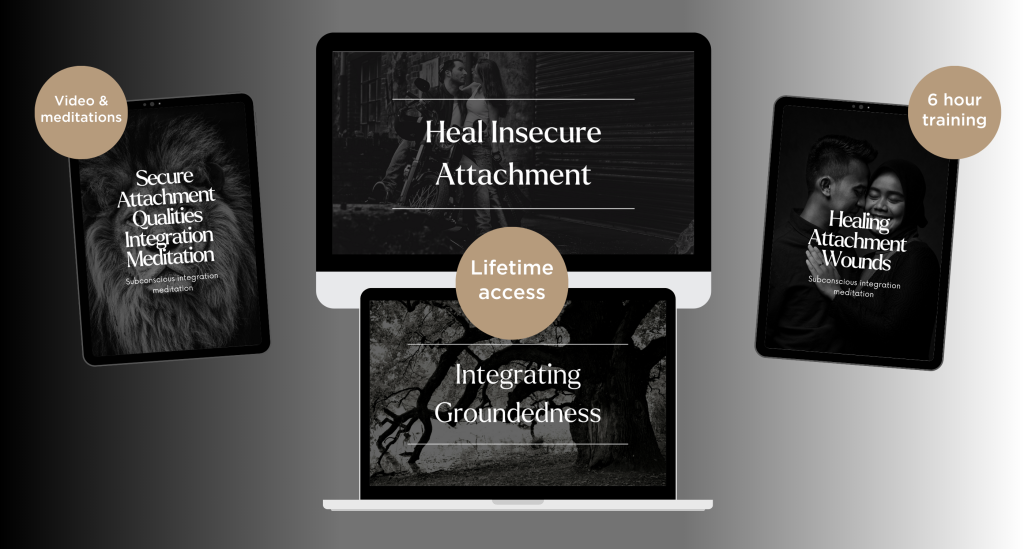

    View Heal Insecure Attachment course

  • Dating a Fearful Avoidant Woman

    dating a fearful avoidant woman inner child work icw 1

    Dating a Fearful Avoidant Woman And Creating Emotional Safety

    Have you ever found yourself in a relationship where you feel an intense connection but also an overwhelming sense of uncertainty? Do you often feel like you’re walking on eggshells, unsure of how to communicate without triggering emotional withdrawal? What does it mean to be dating a fearful avoidant woman, and how can you foster a relationship that feels both secure and fulfilling?

    Dating a fearful avoidant woman can be both rewarding and challenging, often requiring a delicate balance of patience, empathy, and understanding. Individuals with a fearful avoidant attachment style typically grapple with conflicting desires: they crave intimacy and connection, yet simultaneously fear it. This internal struggle can manifest in various ways, leading to a dynamic that may leave you feeling confused or frustrated at times. Understanding the complexities of this attachment style is crucial to navigating the relationship successfully. In this blog post, we’ll explore how to navigate the relationship when it comes to dating a fearful avoidant woman. 

    Fearful avoidant attachment often arises from early relational experiences that create a deep sense of insecurity and fear surrounding intimacy and emotional connection. One of the primary causes is inconsistent parenting, where caregivers alternate between being nurturing and emotionally available, and being neglectful or intrusive. This unpredictability can leave a child feeling confused and anxious about their attachment figures, leading to the belief that while closeness can provide comfort, it can also bring pain and disappointment. Additionally, exposure to traumatic events, such as abuse or neglect, can significantly impact a child’s developing psyche, reinforcing the idea that relationships are unsafe. These early experiences can result in the internalization of fear and distrust, which manifests later in life as fearful avoidant attachment in romantic relationships.

    Another contributing factor to fearful avoidant attachment is the modeling of relational behaviors during formative years. Children learn how to relate to others by observing their parents and caregivers. If they witness unhealthy relationship dynamics—such as conflict, emotional unavailability, or lack of communication—they may internalize these patterns and adopt a fearful avoidant style in their own relationships. Moreover, cultural and societal influences that stigmatize vulnerability can further exacerbate these tendencies, leading individuals to prioritize self-protection over genuine connection. As a result, fearful avoidant individuals may find themselves trapped in a cycle of yearning for closeness while simultaneously pushing others away, grappling with their conflicting desires for love and fear of intimacy. Understanding these underlying causes is essential for addressing the patterns and working toward healing and healthier attachment styles.

    Signs You’re Dating a Fearful Avoidant Woman

    1. Emotional Ambivalence

    One of the most telling signs that you’re dating a fearful avoidant woman is her emotional ambivalence. She may express a desire for closeness and intimacy one moment and then seem distant or withdrawn the next. This inconsistency can be confusing, as she might initiate deep conversations or affectionate gestures, only to pull back when the relationship feels too intense. Understanding this push-pull dynamic is crucial; it often stems from her internal conflict between the desire for connection and the fear of vulnerability. As her partner, it’s essential to approach these moments with patience and empathy, recognizing that her behavior is not a reflection of her feelings for you but rather a manifestation of her attachment style.

    2. Fear of Intimacy

    When you’re dating a fearful avoidant woman, you may notice that she struggles with intimacy. While she might crave closeness, the prospect of becoming emotionally vulnerable can be overwhelming for her. This fear of intimacy may manifest in avoidance of serious conversations about the relationship or a reluctance to share her deeper feelings. Instead of shutting down completely, she may oscillate between seeking affection and pulling away when she feels overwhelmed. Acknowledging this fear and creating a safe space for her to express herself without judgment can help ease her anxiety about intimacy.

    3. Difficulty Trusting

    Trust is a foundational element in any relationship, but when you’re dating a fearful avoidant woman, establishing trust can be particularly challenging. She may have experienced betrayal or abandonment in the past, leading to heightened skepticism regarding others’ intentions. As a result, she might test your loyalty or push boundaries to gauge your reaction. This behavior is often a defense mechanism to protect herself from potential hurt. Being patient and consistent in your actions can help her feel secure over time, allowing her to gradually build trust in you and the relationship.

    4. Overanalyzing Situations

    Another sign that you’re dating a fearful avoidant woman is her tendency to overanalyze situations and interactions. She might read into your words or actions, second-guessing their meaning and her role in the relationship. This can lead to unnecessary stress and anxiety, causing her to spiral into negative thought patterns. As her partner, it’s vital to maintain open lines of communication, reassuring her of your intentions and feelings. Encouraging her to express her concerns openly can help mitigate her anxiety and create a more transparent dynamic.

    5. A Pattern of Push-Pull Behavior

    The push-pull dynamic is a hallmark of dating a fearful avoidant woman. You may find that she oscillates between wanting to be close to you and then distancing herself when the relationship feels too intense. This behavior can be emotionally exhausting, both for her and for you. It’s essential to recognize that this cycle is not about you; it’s rooted in her attachment style and fears surrounding closeness. Understanding this pattern allows you to respond with empathy, rather than frustration, and helps create an environment where she feels safe to explore her feelings.

    6. Avoidance of Conflict

    Fearful avoidant individuals often have a deep-seated fear of conflict, leading them to avoid difficult conversations or confrontations. When you’re dating a fearful avoidant woman, you may notice that she prefers to sidestep issues rather than address them directly. While this avoidance can provide temporary relief, it often results in unresolved feelings that may resurface later. Encouraging her to share her thoughts and feelings about conflicts in a non-threatening manner can promote healthier communication and help her feel more secure in addressing issues as they arise.

    7. Increased Sensitivity to Rejection

    When dating a fearful avoidant woman, you might observe that she is particularly sensitive to perceived rejection or abandonment. Even minor disagreements or misunderstandings can trigger intense emotional responses, leading her to withdraw or shut down. This heightened sensitivity often stems from past experiences that have left her fearful of being hurt again. It’s important to approach these moments with compassion, reassuring her of your commitment and desire for open dialogue. By validating her feelings and expressing your support, you can help her navigate her fear of rejection.

    8. She Exhibits Intense Emotional Reactions

    When dating a fearful avoidant woman, you may notice that she exhibits intense emotional reactions to situations that seem minor to others. This can manifest as sudden mood swings, anxiety, or even withdrawal during conflicts or moments of vulnerability. Her heightened emotional responses often stem from a fear of being hurt or rejected, which can lead to overreactions when she perceives any hint of criticism or distance. For example, if a discussion veers toward her feelings about the relationship, she might become defensive or shut down altogether, fearing that the conversation will lead to emotional pain. Recognizing that these reactions are tied to her past experiences can help you approach her with empathy rather than frustration. By remaining calm and patient, you can reassure her that her feelings are valid, encouraging her to express herself more openly and fostering a greater sense of safety in your relationship.

    9. She Struggles with Commitment

    Another sign that you are dating a fearful avoidant woman is her struggle with commitment. While she may express a desire for closeness and intimacy, she might simultaneously pull away when it comes to defining the relationship or discussing the future. This push-pull dynamic can create confusion, as her actions may seem contradictory. On one hand, she may enjoy spending time with you and showing affection; on the other, she might hesitate to label the relationship or discuss long-term plans, fearing that such discussions might lead to expectations and potential disappointment. This fear of commitment can be deeply rooted in her attachment style, where she grapples with the conflict between wanting intimacy and fearing the vulnerability that comes with it. Understanding this internal struggle can help you navigate these conversations with sensitivity, allowing her to feel secure enough to explore her feelings without the pressure of making immediate decisions about the future. By creating an environment where commitment can be discussed openly and without judgment, you can help her gradually overcome her fears and move toward a more secure connection.

    10. A Desire for Reassurance

    Lastly, when you’re dating a fearful avoidant woman, you may find that she often seeks reassurance about your feelings and the relationship. This need for validation stems from her anxious anxiety attachment and her struggles with trust and intimacy. While it’s normal for anyone to seek reassurance from time to time, her requests may be more frequent, reflecting her deeper fears. Being responsive to her need for reassurance, while also encouraging her to build self-soothing techniques, can foster a healthier balance in your relationship. By nurturing her sense of security, you can help her gradually develop a more secure attachment style.

    Creating a Safe and Supportive Environment When Dating a Fearful Avoidant Woman

    Create a safe environment 

    Dating a fearful avoidant woman requires creating a safe and supportive environment that fosters trust and emotional security. Understanding her attachment style is crucial; fearful avoidant individuals often have a deep-seated fear of intimacy and vulnerability, which can manifest as push-pull behavior. To cultivate a safe space, start by being consistent in your words and actions. Consistency builds trust and reduces anxiety, allowing her to feel more secure in the relationship. Make it a point to show up for her emotionally, whether that means actively listening during difficult conversations or reassuring her of your feelings during moments of doubt.

    Foster compassion 

    When you’re dating a fearful avoidant woman, it’s essential to recognize that her behaviors often stem from past experiences and deeply rooted fears of vulnerability. She may display ambivalence toward closeness, oscillating between moments of warmth and sudden withdrawal. This push-pull dynamic can be perplexing; at one moment, she might seek your support and affection, while the next, she may pull away, leaving you to question her feelings and intentions. By fostering a safe environment where she feels valued and understood, you can help her manage these fears and build a more secure connection.

    Effective communication 

    Effective communication is another cornerstone of creating a supportive environment. Encourage open dialogue by inviting her to share her thoughts and feelings without fear of judgment. When she expresses her concerns, practice active listening and validate her emotions, even if they seem disproportionate. This approach reassures her that her feelings are valid and important, helping to dissolve the walls she may have built around herself. Additionally, make it clear that conflict is a natural part of any relationship. Emphasize that disagreements can be addressed constructively rather than avoided, fostering a sense of security where she feels comfortable engaging in difficult conversations.

    Nurture her autonomy 

    Lastly, it’s essential to nurture her autonomy while providing emotional support. Fearful avoidant women often struggle with the balance between wanting closeness and needing space. Respect her boundaries and be mindful of her need for independence. Encourage her to pursue her interests and friendships outside of the relationship, which can help her build confidence and a sense of self-worth. By demonstrating that you value her independence and respect her needs, you contribute to a healthier dynamic. This balance of support and autonomy allows her to feel safe in expressing her emotions, ultimately paving the way for a deeper, more meaningful connection.

    Final Thoughts on Dating a Fearful Avoidant Woman

    Dating a fearful avoidant woman can be a rewarding yet complex journey that requires patience, empathy, and understanding. It’s important to remember that her behavior often stems from past traumas and a deep-seated fear of intimacy, which can manifest as inconsistency and emotional withdrawal. By creating a safe and supportive environment, you provide her with the emotional security she needs to explore vulnerability at her own pace. Prioritizing open communication, validating her feelings, and respecting her need for space can help to build trust and foster a more profound connection. Recognizing and respecting her boundaries while remaining consistent in your affection will encourage her to engage more fully in the relationship. Ultimately, approaching the relationship with compassion and awareness can help both partners navigate the complexities of attachment styles, paving the way for a healthier, more fulfilling bond built on mutual understanding and respect. Through this journey, you can both grow and thrive, embracing the opportunity to develop a deeper emotional connection despite the challenges posed by her fearful avoidant tendencies.

    Read More

    12 Ways To Overcome Anxious Attachment

    How to Manage Emotional Triggers and Improve Emotional Regulation

    7 Signs Of Anxious Attachment Style In Friendships And How To Manage It

    Healing Anxiety Attachment With Self-Compassion

    Curing Anxious Attachment And Going From Clingy to Confident in Relationships

    Relationship Anxiety Therapy For Building Secure Internal Attachment And Supportive Relationships

  • How to Heal an Avoidant Attachment Style and Lean Into Secure Functioning

    how to heal an avoidant attachment style inner child work icw1

    How to Heal an Avoidant Attachment Style and Lean Into Secure Functioning

    Attachment styles, shaped by our earliest relationships, play a significant role in how we interact and connect with others. Among these styles, the avoidant attachment pattern often poses unique challenges, influencing people to distance themselves from intimacy and vulnerability. 

    Yet, through dedicated inner work and self-compassion, it is possible to break free from this ingrained pattern and forge healthier relationships. In this blog post, we delve into the journey of how to heal an avoidant attachment style, providing insightful guidance and practical strategies to foster secure connections and emotional well-being.

    What is an avoidant attachment style?

    Avoidant attachment style, also known as dismissive-avoidant attachment, is characterized by a tendency to distance oneself from emotional intimacy and vulnerability in relationships. This attachment pattern develops in response to early childhood experiences where a caregiver may have been emotionally unavailable, rejecting, or unresponsive to the child’s emotional needs. Consequently, people with an avoidant attachment style learn to suppress our emotions and rely heavily on self-reliance as a means of coping with the fear of vulnerability and potential rejection.

    People with an avoidant attachment style often appear emotionally distant and disconnected in our relationships, maintaining a sense of independence to protect themselves from potential hurt or disappointment. While they may have a strong desire for connection, our deep-seated fear of vulnerability and a lack of trust in others can lead to a persistent pattern of detachment and emotional unavailability. Recognizing these patterns is the first step in understanding and addressing avoidant attachment behaviors.

    What is attachment?

    Attachment, a concept initially proposed by psychologist John Bowlby, refers to the deep and enduring emotional bond that forms between people. Developed in early childhood, attachment is shaped by the quality of the relationship between a child and our primary caregiver. These early experiences influence an individual’s beliefs about themselves, others, and the world, as well as our emotional regulation, self-esteem, and interpersonal relationships throughout life. Understanding attachment styles provides valuable insights into how we navigate emotional intimacy and vulnerability, offering a foundation for personal growth and fostering healthier connections.

    The importance of compassion

    Self-compassion is a fundamental aspect of in the journey of how to heal an avoidant attachment style, as it enables us to cultivate a deeper understanding and acceptance of our emotions and personal experiences. This transformative practice encourages a gentle and non-judgmental exploration of one’s thoughts, feelings, and behaviors, fostering self-awareness and emotional growth. By extending kindness and empathy towards ourselves, we can begin to challenge the defense mechanisms and fears that underlie avoidant attachment patterns.

    Embracing self-compassion also helps us to develop a secure foundation within themselves, reducing our reliance on emotional detachment as a means of self-protection. As they learn to acknowledge and validate our own emotions, they become more adept at navigating vulnerability and emotional intimacy in relationships. By nurturing self-compassion throughout the healing journey, we can foster personal growth, emotional well-being, and more secure connections with others.

    The roots of avoidant attachment 

    Dismissive avoidant attachment style is primarily influenced by an individual’s early experiences with their primary caregivers. Our attachment patterns are shaped by the way our caregivers respond to our emotional needs during childhood, which directly impacts our ability to form secure connections in adulthood.

    When caregivers consistently provide warmth, security, and emotional support, it encourages the development of a secure attachment style. This environment fosters trust in the belief that our emotional needs will be met, enabling us to confidently extend that trust to others in the world.

    However, if our primary caregivers are emotionally distant, unresponsive, or inconsistent in meeting our emotional needs, we may learn that seeking emotional connections is unsafe and may result in disappointment or rejection. In response, we may begin to rely on self-soothing behaviors and suppress our emotions, ultimately leading to the development of a dismissive avoidant attachment style.

    Children who are encouraged to be overly independent or are punished for expressing vulnerability may also be more likely to develop this attachment style. These experiences can lead to a belief that emotional needs are a sign of weakness and that emotional intimacy will result in rejection or abandonment. Consequently, people adopt a dismissive avoidant attachment style as a means of self-protection, avoiding vulnerability and emotional closeness in relationships.

    Avoidant attachment in relationships

    Avoidant attachment style can significantly influence the dynamics of an individual’s relationships, affecting emotional intimacy, communication, and overall satisfaction. people with this attachment pattern tend to struggle with vulnerability and may find it challenging to build trust and establish emotional connections with others. As a result, they often create distance in relationships or rely on self-reliance as a means of self-protection.

    In romantic relationships, people with an avoidant attachment style may appear emotionally distant or disengaged. They may be hesitant to share their feelings, thoughts, or personal experiences, leading to misunderstandings and frustration in their partner. This emotional detachment can make it difficult for partners to develop a deep, meaningful connection, as they may feel that their own emotional needs are not being met.

    The fear of vulnerability and the need for independence can also lead to a “push and pull” dynamic in relationships. people with an avoidant attachment style may seek closeness but then withdraw when they feel their emotional boundaries are being threatened. This unpredictable pattern can create confusion and insecurity within the relationship, making it challenging to establish a stable, secure connection.

    Furthermore, avoidant attachment can lead to a lack of conflict resolution skills. As people with this attachment style may struggle to effectively communicate their emotions and needs, they may resort to avoidance or stonewalling in the face of conflict. This behavior can hinder the development of a healthy, supportive relationship, as partners are unable to address and resolve their issues effectively.

    In summary, understanding the impact of avoidant attachment style on relationships is essential in fostering healthier connections with others. By acknowledging the challenges faced by people with this attachment pattern, partners can work together to develop trust, improve communication, and establish secure, fulfilling relationships.

    How to heal an avoidant attachment style

    Healing an avoidant attachment style is a transformative journey that requires patience, self-awareness, and a commitment to personal growth. This process involves various aspects, including nervous system regulation, inner child work, seeking corrective experiences, releasing past emotions, integrating attachment patterns, and learning secure behaviors.

    Regulating the Nervous System

    An essential step in healing an avoidant attachment style is learning to regulate the nervous system. people with this attachment pattern may experience heightened stress responses when confronted with emotional vulnerability or intimacy. By engaging in practices such as mindfulness, deep breathing, and meditation, people can develop a greater sense of emotional stability and self-regulation, enabling them to navigate challenging situations with more ease. Regular practice of these techniques can help people feel more grounded and in control of their emotional responses, ultimately fostering a more secure attachment style.

    Inner Child Work

    Healing avoidant attachment often involves inner child work. This process encourages people to reconnect with their younger selves and acknowledge the unmet emotional needs and fears that contribute to their attachment pattern. 

    By offering compassion, validation, and support to their inner child, people can begin to cultivate a more secure attachment style. Engaging in therapeutic techniques or creative practices such as journaling, visualization, and art therapy can help people access and address the needs of their inner child, promoting emotional healing and personal growth.

    Seeking Corrective Experiences

    Corrective experiences play a crucial role in healing an avoidant attachment style. These experiences involve engaging in healthy, supportive relationships that challenge the beliefs and expectations formed through past negative experiences. 

    By establishing trust and vulnerability with secure partners, people can create new, positive relationship templates that foster secure attachment patterns. Actively seeking relationships with emotionally available partners and practicing vulnerability within these connections can help people rewire their attachment styles and develop healthier relationship dynamics.

    Releasing Emotions from the Past

    Healing avoidant attachment often involves releasing the emotions and pain associated with past experiences. This process can be facilitated through various therapeutic approaches, such as somatic therapy, emotional release techniques, or journaling. 

    By acknowledging and processing these emotions, people can create space for new, more adaptive emotional patterns to emerge. Engaging in therapeutic practices or self-reflection can provide people with a safe space to explore their past experiences, release emotions, and work towards emotional healing.

    Integrating Attachment Patterns

    Integrating avoidant attachment patterns involves recognizing the impact of these patterns on one’s emotions, behaviors, and relationships. By understanding the influence of their attachment style, people can develop greater self-awareness and implement strategies to shift towards more secure behaviors. 

    Integrating attachment patterns requires a deep exploration of personal experiences, emotions, and relationship dynamics. This process can be facilitated through self-reflection, therapy, or educational resources on attachment theory.

    Learning Secure Behaviors

    An essential component of healing an avoidant attachment style is learning and practicing secure behaviors, such as effectively expressing emotions, setting boundaries, and developing assertive communication skills. By engaging in these behaviors, people can foster trust, vulnerability, and emotional intimacy within their relationships, ultimately promoting secure attachments. 

    Learning secure behaviors can be achieved through practice, feedback from trusted people, and ongoing self-reflection. By consistently engaging in secure behaviors, people can strengthen their emotional connections and create healthier relationships.

    Develop a secure internal attachment

    Another aspect of healing dismissive avoidant attachment style is developing a secure internal attachment.

    To develop a secure internal attachment, we must cultivate self-compassion, self-awareness, and emotional regulation skills. Practices such as mindfulness, journaling, and therapy can help us identify and reprogram the negative beliefs and patterns that contribute to our avoidant attachment style.

    As we strengthen our sense of self-worth and emotional stability, we become better equipped to build and maintain healthy, secure relationships with others. This holistic approach allows us to heal a dismissive avoidant attachment style, break free from the cycle of fear and disconnection and foster a foundation of self trust.

    Many courses may focus on surface-level techniques, like affirmations or journaling, which may not address the core issue: the subconscious manifestations of attachment trauma.

    A subconscious approach is crucial for healing avoidant attachment style , nurturing inner security, and addressing the root causes of this attachment style. Our Heal Dismissive Avoidant Attachment course (coming soon) guides you through a somatic and emotion-focused process, enabling the integration of subconscious patterns and facilitating personal growth.

    With over 6 hours of video content and therapeutic meditations, this course provides the tools needed to explore and transform avoidant attachment style  patterns. Enroll in our Heal Dismissive Avoidant Attachment course for a comprehensive approach to healing, paving the way for secure relationships and a more balanced, fulfilling life.

  •  Healing Anxiety Attachment With Self-Compassion

    healing anxiety attachment inner child work icw1

    Healing Anxiety Attachment With Self-Compassion

    Do you often feel anxious and uncertain in your relationships? Are you frequently overthinking your partner’s feelings or struggling to trust their intentions? These feelings might indicate that you have an anxiety attachment style, which can lead to insecurity and emotional turbulence in close connections.

    You might feel the urge to share your needs, yet worry about seeming too needy or demanding, causing you to hold back and suppress your emotions. This internal tug-of-war can heighten your anxiety, leaving you feeling unheard and, in a way, abandoned by yourself.

    As the tension builds, fears of rejection may lead to emotional reactions that create frustration and even resentment toward your partner. It can be an exhausting cycle, making it difficult to maintain healthy, balanced relationships. If any of this feels familiar, know that you’re not alone, and there’s a path forward toward healing anxiety attachment.

    Understanding the roots of your anxiety attachment style is the first step in the healing process. By identifying these patterns, you can begin to take control of your emotional responses. Creating a safe space to explore your needs without judgment is essential for recovery. Healing anxiety attachment means embracing self-awareness and self-compassion, allowing you to express your needs authentically while learning to build trust with yourself and others.

    In this post, we’ll explore practical strategies for healing anxiety attachment. From tools for clear communication to setting healthier boundaries, these techniques will help you cultivate a greater sense of emotional stability and pave the way for more fulfilling, secure relationships.

    Understanding the Roots of Anxiety Attachment

    From a young age, the way a child’s emotional needs are met (or left unmet) plays a fundamental role in shaping their sense of security and attachment style. Ideally, when a child feels distressed, a responsive caregiver steps in to offer soothing, comfort, and reassurance. This consistency helps the child learn that the world is a safe place, that their needs matter, and that they can trust others to be there when needed. Over time, these nurturing experiences help to develop a balanced nervous system, providing the child with a “secure base” and secure attachment that they can rely on, even during times of stress or uncertainty.

    For those who develop an anxiety attachment style, however, this early foundation of security is often missing. When caregivers are unavailable, dismissive, or inconsistent in their responses, a child’s nervous system remains on high alert, leaving them in a prolonged state of distress. Without the comfort of a reliable “secure base,” these children may grow up feeling unsafe and overly vigilant, constantly scanning for signs of rejection or abandonment. As adults, this lack of early security often manifests as anxiety attachment, where they find themselves seeking the stability they lacked in childhood, accompanied by a deep-seated fear of being left behind.

    This early sense of insecurity can have a powerful impact on adult relationships, creating patterns that define anxiety attachment. Without an inner foundation of safety, trusting others and feeling at ease within relationships can be challenging. Individuals with anxiety attachment may find that even small disagreements or separations trigger intense worry, causing them to overanalyze every word, gesture, or pause. This persistent fear of abandonment makes relationships feel like an emotional rollercoaster, often mirroring the instability they experienced in childhood and leaving them feeling powerless. Learning how to heal anxiety attachment involves processing these early experiences, building self-trust, and creating an internal sense of security that can bring balance to future relationships.

    The Four Attachment Styles

    Understanding attachment styles is essential for anyone looking to heal anxiety attachment, as it sheds light on the underlying patterns that shape our relationships. There are four primary attachment styles, each representing different ways we bond and interact emotionally:

    Secure Attachment: Individuals with a secure attachment style feel comfortable with intimacy and trust. They can express their needs openly, set healthy boundaries, and respond to their partner’s needs in a balanced way. This attachment style fosters strong, stable relationships grounded in mutual respect and emotional safety, providing a helpful model for those seeking to heal anxiety attachment.

    Anxiety Attachment: Those with an anxiety attachment style often feel highly attuned to their partner’s cues and may worry about abandonment or rejection. This attachment style is marked by a need for closeness and reassurance, often resulting in overthinking or seeking constant validation. Understanding the dynamics of anxiety attachment is critical for healing, as it highlights the emotional sensitivity that can make relationships feel turbulent and unpredictable.

    Avoidant Attachment: Individuals with an avoidant attachment style typically value independence and may struggle with emotional closeness. Often hesitant to show vulnerability, they may suppress their emotions, fearing that intimacy will lead to discomfort or rejection. This distance can result in relationships that feel disconnected, lacking the depth that comes from genuine emotional engagement. For those healing anxiety attachment, understanding avoidant patterns can help in addressing fears of rejection and improving relationship balance.

    Disorganized Attachment: This attachment style often arises from inconsistent or traumatic early experiences. Those with disorganized attachment may exhibit a combination of anxious and avoidant behaviors, feeling torn between a desire for closeness and a fear of being hurt. Relationships for individuals with this style can feel chaotic, marked by emotional highs and lows. Recognizing the nuances of disorganized attachment can provide meaningful insights for those on the path to healing anxiety attachment, as it sheds light on the complex emotions they may experience.

    Recognizing these attachment styles can offer valuable insights into your own and others’ relationship patterns. For those focused on healing anxiety attachment, understanding where you align within this framework is a foundational step toward building healthier, more fulfilling connections.

    8 Signs of Anxiety Attachment and Steps Toward Healing

    Recognizing the signs of anxiety attachment is an important part of healing anxiety attachment and fostering healthier relationships. Here are eight common signs of anxiety attachment, with insights into each and ways to begin healing anxiety attachment.

    1. Fear of Abandonment

    One of the hallmark signs of anxiety attachment is an intense fear of being abandoned or rejected. People with anxiety attachment may constantly worry about their partner leaving them, even without any indication that this will happen. This fear often leads to heightened sensitivity to perceived signs of disinterest or withdrawal, such as a delayed response to a text or a missed call. This underlying anxiety can make relationships feel unstable and unpredictable.

    Healing anxiety attachment involves recognizing these fears and learning to soothe oneself when they arise. Building self-trust and practicing grounding techniques during moments of insecurity can reduce the need for constant reassurance, leading to healthier, more stable connections.

    2. Need for Constant Reassurance

    Individuals with anxiety attachment often crave frequent reassurance from their partners. They may feel the need to ask, “Do you still love me?” or “Are you sure we’re okay?” repeatedly, seeking validation to ease their inner anxiety. While occasional reassurance is normal in any relationship, a constant need for it can become draining for both partners and may indicate deeper issues with self-worth and trust.

    Healing anxiety attachment requires fostering inner security by building self-compassion and learning to self-validate. Practicing affirmations or mindfulness can help reduce the need for external validation, strengthening a sense of stability and reducing the cycle of constant reassurance-seeking.

    3. Overthinking and Analyzing Partner’s Actions

    People with anxiety attachment tend to overanalyze their partner’s words, actions, and even silences, looking for signs of distance or disinterest. A simple delay in response or a change in tone can trigger a cascade of anxious thoughts, causing them to jump to negative conclusions. This overthinking can create unnecessary tension in relationships and perpetuate a cycle of worry and doubt.

    In healing anxiety attachment, cultivating awareness of overthinking patterns is crucial. Practicing mindfulness and learning to pause before reacting can help in breaking the cycle of over-analysis, leading to greater relationship peace and emotional security.

    4. Difficulty Trusting Partner’s Intentions

    A lack of trust in a partner’s intentions is another common sign of anxiety attachment. Even in stable relationships, those with anxiety attachment may feel suspicious of their partner’s motives, worrying that they’re not fully committed or might be hiding something. This distrust can create distance and emotional strain, often leading to conflicts that push the partner further away.

    Healing anxiety attachment involves working on self-trust and addressing past wounds that fuel insecurity. Therapy, journaling, or open conversations can help address these underlying fears, making it easier to develop genuine trust in a partner’s intentions and build a more secure attachment.

    5. High Sensitivity to Conflict

    Those with anxiety attachment often react intensely to any conflict, viewing it as a threat to the stability of the relationship. Even minor disagreements can trigger fears of abandonment or rejection, leading to strong emotional responses or a need to immediately “fix” things. This heightened sensitivity to conflict can strain relationships, as it often disrupts productive communication.

    Healing anxiety attachment involves learning to approach conflict with a calmer, more balanced mindset. By practicing self-soothing techniques and viewing disagreements as natural parts of relationships, those with anxiety attachment can reduce their fear-driven responses, creating space for constructive communication and mutual understanding.

    6. Sacrificing Personal Needs to Maintain the Relationship

    People with anxiety attachment may find themselves sacrificing their own needs, interests, or boundaries to avoid conflict or please their partner. This tendency to put the partner’s needs above their own can lead to feelings of resentment or a loss of identity over time. In an effort to keep the peace, they may end up abandoning their own needs and preferences, which can ultimately harm the relationship.

    Healing anxiety attachment means learning to honor one’s own needs and set healthy boundaries. Building self-confidence and practicing assertive communication can help in balancing the relationship dynamics, allowing them to stay true to themselves while maintaining a secure bond with their partner.

    7. Intense Emotional Reactions to Distance

    Individuals with anxiety attachment often react strongly to any perceived distance, such as when their partner takes time for themselves or socializes with others. These situations can trigger feelings of insecurity and abandonment, leading to anxiety-driven behaviors like excessive calling or texting to close the perceived gap. Such reactions can create tension in the relationship, making the partner feel overwhelmed.

    In healing anxiety attachment, it’s important to understand that a partner’s need for space is natural and doesn’t reflect negatively on the relationship. Practicing self-soothing and reframing moments of distance as opportunities for self-growth can help build a healthier relationship dynamic.

    8. Feelings of Inadequacy and Low Self-Worth

    Anxiety attachment is often rooted in deep-seated feelings of inadequacy or low self-worth. Individuals with this attachment style may worry that they’re not “enough” for their partner or that they’ll eventually be left for someone “better.” These beliefs can create an unbalanced dynamic where they feel dependent on their partner for validation, which can lead to clinginess or possessive behaviors.

    Healing anxiety attachment involves building a strong foundation of self-worth and recognizing that worthiness isn’t dependent on external validation. Working on self-love, whether through self-care practices or therapy, can empower individuals to feel complete and secure within themselves, enhancing their ability to maintain balanced, fulfilling relationships.

    Recognizing these signs of anxiety attachment can be a powerful step toward healing anxiety attachment and creating healthier relationship patterns. By cultivating self-awareness and taking proactive steps to address each of these patterns, those with anxiety attachment can transform their approach to relationships, allowing for more balanced, secure, and deeply satisfying connections.

    Healing Anxiety Attachment: Building Inner Security and Self-Trust

    Learn to self-soothe

    For individuals with anxiety attachment, the need for reassurance and comfort often leads to an outward focus, looking to a partner for constant validation and soothing. This urgency to seek comfort externally can, over time, become a form of self-avoidance, as they depend on someone else to ease their inner anxiety. Part of healing anxiety attachment involves learning to shift this focus inward, developing the tools to self-soothe in moments of stress or insecurity. By practicing self-compassion and emotional regulation techniques, they can begin to rely on themselves for comfort, creating a greater sense of independence and internal peace.

    Recognise and manage emotional triggers

    Another important step in healing anxiety attachment is learning to recognize and manage emotional triggers without reacting impulsively. Anxiety attachment can cause individuals to be highly sensitive to perceived signs of disinterest or rejection, often leading to an emotional response that intensifies relationship tension. Healing involves pausing in these moments to reflect on the source of the anxiety and whether it stems from past experiences rather than the current relationship. By acknowledging these triggers, they can start to respond thoughtfully instead of reacting out of fear, fostering more balanced, constructive communication with their partner.

    Build personal boundaries

    Building personal boundaries is also a key element in healing anxiety attachment. Individuals with anxiety attachment often find it challenging to set boundaries, fearing that asserting their needs might cause conflict or push their partner away. However, healthy boundaries are essential for maintaining self-respect and preventing the feeling of self-sacrifice in relationships. Part of the healing process is identifying personal needs and learning to express them without guilt. When they establish boundaries, they create a more secure relationship environment and allow themselves to feel safer, more respected, and more empowered.

    Develop a sense of self

    Developing a sense of self outside of the relationship is equally important in healing anxiety attachment. People with anxiety attachment often place their partner at the center of their lives, which can lead to feelings of dependency and insecurity. Cultivating hobbies, friendships, and interests outside of the relationship helps build a stronger individual identity, making them less reliant on their partner for happiness. By nurturing their own sense of self, they become more resilient and grounded, allowing them to bring a fuller, more balanced version of themselves into the relationship.

    Address past wounds

    Finally, healing anxiety attachment often requires addressing past wounds that contribute to relationship anxiety. Many people with anxiety attachment have experienced inconsistent or dismissive caregiving in childhood, leading to a deep-seated fear of abandonment. Processing these early experiences, whether through journaling, therapy, or mindfulness, can help to release old patterns and beliefs that no longer serve them. By healing these past wounds, they create space for a new, healthier attachment style to emerge—one that is based on mutual trust, respect, and emotional security.

    Final Thoughts on Healing Anxiety Attachment

    Healing anxiety attachment is a journey of self-discovery and inner growth that invites individuals to build a secure foundation within themselves. By shifting the focus from external reassurance to internal self-soothing, they can begin to experience relationships with greater stability, trust, and genuine connection. This path requires patience and self-compassion, as it often involves untangling deeply rooted fears and developing new, healthier patterns of relating. Through consistent self-reflection, boundary-setting, and building a well-rounded sense of self, those with anxiety attachment can transform their relationships and, ultimately, their relationship with themselves. Healing anxiety attachment isn’t about perfection but about cultivating resilience, self-respect, and emotional balance that can foster truly fulfilling, lasting connections.

    Healing anxiety attachment for good means creating lasting change that allows for secure, fulfilling relationships grounded in trust and self-assurance. This journey involves more than just managing symptoms; it requires a commitment to deep self-understanding, inner resilience, and emotional independence. By learning to self-soothe and cultivate self-worth, individuals with anxiety attachment can break free from cycles of fear and dependency, embracing a sense of security that doesn’t rely solely on their partner’s reassurance. True healing anxiety attachment happens when individuals feel whole within themselves, equipped to handle relationship challenges with confidence and calm. With patience, consistent self-compassion, and tools to address triggers, healing can become a lasting shift, bringing the freedom to experience love without constant anxiety and opening the door to truly healthy, balanced connections.

    Read More

    Healing Anxious Attachment Styles  And Creating Safe and Supportive Relationships

    Healing Anxiety Attachment With Self-Compassion

    7 Signs Of Anxious Attachment Style In Friendships And How To Manage It

    Curing Anxious Attachment And Going From Clingy to Confident in Relationships

    Anxious Attachment Style How to Heal

  • Healing Anxious Attachment Styles And Creating Safe and Supportive Relationships

    Healing Anxious Attachment Styles And Creating Safe and Supportive Relationships

    Healing anxious attachment styles requires a compassionate, patient approach—one that honors the time and care it takes to unwind years of attachment trauma. For those who experience anxious attachment, the need for closeness and validation often comes with an undercurrent of fear, making it difficult to feel secure in relationships. Moving toward healing doesn’t happen overnight, nor should it. Instead, it involves a gentle, steady process of learning to soothe old wounds, build self-trust, and cultivate a sense of internal safety.

    Anxious attachment often stems from experiences in early relationships where the love and support we needed may have felt uncertain, inconsistent, or conditional. As adults, we carry these attachment patterns into our closest connections, often feeling a heightened fear of rejection or abandonment. Healing requires more than intellectual understanding; it asks us to rewire deep-seated emotional patterns through kindness and self-compassion. By taking small, supportive steps toward healing, we begin to replace old fears with new experiences of safety and trust, both within ourselves and with others.

    This process involves respecting the slow pace needed for real, lasting change. Rather than pushing ourselves to “fix” or rush through our attachment anxieties, it’s important to create a supportive space where we can gently explore our feelings. With each small step, we can build resilience, develop healthier coping mechanisms, and come to see our own worth apart from any external validation. This gradual, compassionate approach helps transform our relationships, leading us toward secure, fulfilling connections grounded in trust and mutual respect.

    Healing anxious attachment styles is a journey best taken one mindful, caring step at a time. Let’s look at some of the gentle ways we can begin this process, from developing self-soothing techniques to setting safe, balanced boundaries in relationships.

    What is attachment?

    Attachment is a deep, emotional bond that forms between individuals, typically beginning in infancy with our primary caregivers. This bond shapes the way we connect, trust, and feel secure with others, serving as a template for relationships throughout our lives. Psychologists have identified several attachment styles—secure, anxious, avoidant, and disorganized—which describe different patterns of relating based on how safe and nurtured we felt in our earliest relationships. Anxious attachment style, specifically, often develops when caregivers were inconsistent or unpredictable in their attention, leaving a person uncertain about their worth or safety in relationships. Understanding attachment helps us recognize how these early patterns affect our behavior and emotional responses in adult relationships. For those with an anxious attachment style, this awareness can reveal the roots of common feelings, like fear of abandonment or needing constant reassurance, and serve as a foundation for healing and developing healthier, more secure connections.

    How does anxious attachment develop

    Anxious attachment develops when early caregiving experiences are inconsistent or unpredictable, leaving a child unsure about whether their emotional needs will be met. When a caregiver alternates between being attentive and unavailable, the child learns to stay hyper-alert, constantly seeking reassurance and closeness to feel safe. This lack of stability creates a deep-seated fear of abandonment, making it difficult to trust that love and support will be there when needed. As these patterns carry over into adulthood, individuals with anxious attachment may experience heightened sensitivity to perceived rejection or abandonment, often seeking constant validation in relationships to feel secure. Healing anxious attachment styles involves understanding these early experiences and recognizing how they influence current behavior. Through this awareness, we can begin to break the cycle of anxiety, gradually learning to trust both ourselves and others in more balanced, fulfilling ways. Healing requires patience, self-compassion, and the slow reworking of these old attachment patterns toward healthier, more secure connections.

    Anxious attachment and relationships

    Being in a relationship with someone who has an avoidant attachment style can often feel like an emotional rollercoaster, especially for someone with an anxious attachment. When you express your feelings or needs, an avoidant partner may dismiss them or shut down emotionally, creating a painful sense of disconnection. Instead of acknowledging your emotions, they might perceive them as a threat or an attack, which triggers their instinct to distance themselves. This pattern of avoidance can leave you feeling unheard, invalidated, and deeply frustrated, as you try to bridge the emotional gap but are met with emotional withdrawal. The more you seek closeness, the more your avoidant partner may pull away, deepening the anxiety and fear of abandonment that you feel.

    The lack of emotional engagement and repair attempts often makes these interactions more tense and prolonged, as there is little effort to resolve the conflict or restore emotional balance. When an avoidant partner shuts down, it prevents meaningful communication from taking place, leaving the anxious partner feeling isolated and abandoned in the midst of unresolved issues. This cycle of emotional distance and tension can be draining, and without sufficient efforts to repair the emotional disconnect, the conflict continues to fester. 

    Healing in this context is not about trying to fix or change your avoidant partner, but rather staying focused on your own healing. Healing anxious attachment styles involves building a secure attachment internally by learning to trust yourself and your ability to navigate emotional challenges. Instead of seeking to change your partner’s behavior, you can focus on expressing your own needs clearly and respectfully—such as needing your feelings to be listened to or wanting to repair conflict in a healthy way. Once you’ve established a stronger sense of emotional security within yourself, you can assess whether your partner can meet these needs, respects your boundaries, and makes you feel seen, heard, and valued. Healing comes from strengthening your own emotional resilience, knowing that you can advocate for yourself, and allowing space to assess whether your relationship provides the emotional safety and security necessary for you to thrive.

    Anxious attachment behaviours

    Anxious attachment behaviors are not signs of weakness or dysfunction; they are adaptive strategies developed over time to protect oneself and get emotional needs met in an environment that may have been inconsistent or unpredictable. For someone with an anxious attachment style, seeking constant reassurance, becoming overly preoccupied with a partner’s actions, or feeling extreme anxiety in the face of potential abandonment are all survival mechanisms. These behaviors stem from a deep-rooted need for security and connection, often learned in childhood when caregivers were unreliable or emotionally distant. At the time, these behaviors helped the individual cope with uncertainty and avoid feelings of neglect or rejection. However, in adulthood, these same patterns may become counterproductive, causing distress in relationships and preventing the development of secure bonds. Healing anxious attachment styles means understanding that these behaviors were once protective, but they no longer serve us in the same way. With this understanding, we can start to replace old coping mechanisms with healthier ways of connecting, rooted in self-trust, emotional regulation, and secure attachment.

    Exploring with compassion

    Exploring anxious attachment with compassion is a crucial step in the process of healing. When we approach our anxious attachment behaviors with understanding rather than judgment, we create a space where healing can truly begin. It’s important to recognize that these patterns were formed as adaptive responses to emotional needs not being consistently met in the past. Rather than seeing them as flaws, we can view them as survival mechanisms that once helped us navigate uncertainty and protect our hearts. By offering ourselves compassion, we acknowledge the pain and vulnerability that come with having anxious attachment, and we begin to see that these behaviors were born out of a need for connection and love.

    Healing anxious attachment styles involves this gentle self-awareness, allowing us to observe our reactions without criticism or shame. When we can hold our emotional responses with kindness, we open the door to change. This compassionate approach helps us break the cycle of anxiety and fear that often governs our relationships, replacing it with a deeper understanding of our needs and a greater sense of self-worth. As we explore anxious attachment with compassion, we create the conditions for transformation, moving toward healthier, more secure ways of relating to ourselves and others.

    Healing anxious attachment styles is a slow and gradual process, primarily because it involves rewiring years of deeply ingrained emotional conditioning. These attachment behaviors are often formed in early childhood and reinforced over many years, creating neural pathways that are automatic and reactive. However, thanks to the brain’s remarkable ability to change and adapt—known as neuroplasticity—it is entirely possible to reshape these patterns over time. Healing involves creating new, healthier ways of thinking and responding to emotional triggers. This process requires patience and persistence, as it’s not about quick fixes, but rather the cultivation of new habits, responses, and emotional coping mechanisms that support long-term transformation. With consistent effort, individuals can retrain their brains to respond to relational anxiety with calm and confidence instead of fear and neediness.

    A key part of this healing process involves addressing attachment wounds that reside in the subconscious mind and nervous system. Attachment trauma is not just an emotional experience; it becomes stored in the body and nervous system, often leading to chronic stress, anxiety, or even physical discomfort. In order to fully heal, it’s crucial to release this stored emotional energy and process the trauma at a deeper level. Approaches like somatic therapy, mindfulness, and breathwork can help individuals connect with their bodies and release trapped emotions. Techniques that regulate the nervous system, such as polyvagal theory exercises or grounding practices, can also help soothe the fight-or-flight response that frequently accompanies anxious attachment. By working with the nervous system, individuals can create a sense of safety and calm, allowing the body to shift from a state of constant vigilance to one of peaceful regulation.

    Finally, learning secure attachment patterns is an essential part of healing anxious attachment styles. This includes learning to communicate needs directly and honestly, setting healthy boundaries, and cultivating a sense of emotional independence. Many people with anxious attachment struggle with expressing their needs or setting limits because they fear rejection or conflict. However, practicing secure attachment means learning to ask for what you need without fear of judgment and creating clear boundaries that prioritize your emotional well-being. It also means developing self-trust, knowing that you can meet your own emotional needs and handle challenges in relationships in a calm, balanced way. By building these secure patterns over time, individuals can create relationships that are based on mutual respect, trust, and healthy interdependence, rather than the fear-based dynamics that often accompany anxious attachment.

    Choosing partners with secure characteristics is a crucial step in healing anxious attachment styles, as it provides a foundation of stability and reassurance in relationships. Partners who are available, consistent, and reliable can help foster a sense of safety and security, which is essential for someone healing from anxious attachment. When a partner consistently shows up, communicates openly, and responds with care and empathy, it can slowly counteract the fears and insecurities that often arise in those with anxious attachment. This consistency offers a reliable emotional anchor, helping to soothe the anxiety and fear of abandonment that are commonly felt in anxious attachment dynamics.

    In relationships with secure partners, there is room to experience healthy interdependence—where both individuals can express their needs and emotions without fear of rejection. A partner who is emotionally attuned and responsive helps create an environment where both people can trust that their needs will be met and that love and support will not fluctuate unpredictably. This kind of consistency not only helps alleviate the anxiety of abandonment but also allows the individual with anxious attachment to feel more confident in the relationship, knowing that their partner will be there through the ups and downs. Choosing a partner who embodies these secure qualities, and consciously working toward building a relationship based on trust and mutual respect, can significantly accelerate the healing process.

    Healing anxious attachment styles involves learning to trust both yourself and others. By choosing a partner who can provide emotional consistency and reliability, you create a space for your attachment wounds to heal. Over time, this secure bond can replace the fearful patterns of the past, helping to rewrite old attachment narratives and allowing you to build more stable, loving relationships. Healing is supported when we surround ourselves with people who offer us the emotional security we need to thrive, which is why choosing a partner with secure characteristics can be a game-changer in the journey toward emotional wellness and balanced relationships.

    Final Thoughts on Healing Anxious Attachment Styles

    Healing anxious attachment styles is a journey of deep self-awareness, compassion, and patience. It requires recognizing that the behaviors and emotional patterns formed over years—often as a result of early attachment experiences—are not flaws but adaptive responses that helped you cope with uncertainty or unmet needs in the past. By gently exploring these patterns and understanding their roots, you begin to create the space for healing. Healing anxious attachment styles involves rewiring the neural pathways that drive these automatic reactions, cultivating emotional resilience, and learning to trust both yourself and others in new, healthier ways.

    The process is not an overnight fix but rather a gradual transformation that requires both time and effort. It’s about moving from a place of fear and insecurity to one of internal calm and self-assurance. Along the way, learning to communicate your needs, set boundaries, and develop secure relationships is essential for healing. It’s also important to surround yourself with people who offer emotional consistency and safety, as choosing the right relationships can support your growth. Ultimately, healing anxious attachment styles is about creating a balanced, secure internal foundation, where you can thrive in relationships without being overwhelmed by fear or anxiety. Through self-compassion, boundary-setting, and finding security within yourself, the healing journey becomes one of empowerment, leading to healthier, more fulfilling connections with others.

    My Course: Heal Insecure Attachment

    In my course, Heal Insecure Attachment, we go beyond simply raising awareness about attachment styles. While understanding your attachment patterns is an important first step, this course places a strong emphasis on healing and processing the emotional wounds that have shaped those patterns. It’s not just about learning what attachment is or recognizing your behaviors; it’s about diving deep into the healing process—integrating new, healthier patterns and providing you with practical tools to regulate your nervous system. This course is designed to support you in healing from the inside out, with a focus on emotional processing, trauma release, and creating lasting change in your relationships.

    Healing anxious attachment styles involves not only gaining insight into your emotional triggers but also actively working to release stored emotional energy, heal past attachment wounds, and rewire your brain for more secure, balanced responses. Throughout the course, we focus on nervous system regulation techniques that help soothe the fight-or-flight responses triggered by anxiety. You’ll also learn how to integrate secure attachment behaviors, such as setting healthy boundaries, communicating your needs, and fostering emotional independence. This combination of healing, integration, and skill-building will help you create lasting change in your emotional life and relationships, empowering you to build healthier, more secure connections.

    Read More

    Relationship Anxiety Therapy For Building Secure Internal Attachment And Supportive Relationships

    Healing Anxiety Attachment With Self-Compassion

    7 Signs Of Anxious Attachment Style In Friendships And How To Manage It

    Curing Anxious Attachment And Going From Clingy to Confident in Relationships

    Anxious Attachment Style How to Heal